
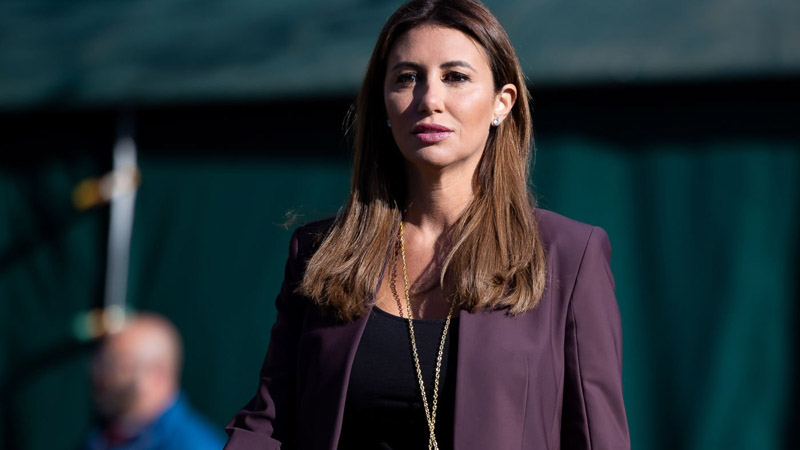
Alina Habba, the former attorney for Donald Trump, is expected to step down next week from her interim post as U.S. Attorney for the District of New Jersey, leaving behind a trail of discontent and disruption during her short, turbulent tenure.
Habba, whose appointment was made on an interim basis, began her 120-day term under a cloud of controversy. According to a detailed report from The New York Times, her time in office began in “chaos” and concluded with widespread dissatisfaction among staff and career prosecutors.
Her selection was blocked from becoming permanent by New Jersey’s two Democratic Senators, Cory Booker and Andy Kim, ensuring her time in the role would be brief. “Her tenure has also shattered morale inside the U.S. attorney’s office and left many prosecutors looking for a way out, according to 16 close observers of the office,” the Times reported.
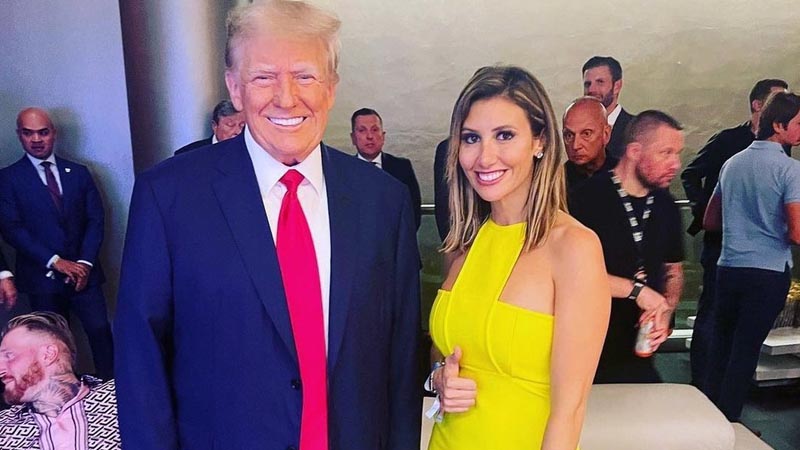
Sources within the office described her approach as disruptive, citing frequent interference in ongoing cases and exclusion of career attorneys from critical decisions. In one instance, Habba reportedly held a “rare private meeting” with attorneys for Eliyahu Weinstein, who was serving a 24-year sentence for investment fraud. Prosecutors assigned to the case were not invited to the meeting — a move that deeply frustrated staff.
“The episode left members of her staff infuriated,” the report noted. Further adding to internal tensions, Habba disbanded the Civil Rights Division and abruptly dropped one of the office’s longest-standing prosecutions just days before trial. These decisions drew sharp criticism from within, exacerbating the already strained relations between her and the career prosecutors.
“She disbanded the office’s Civil Rights Division and killed the office’s longest-running prosecution just days before it was scheduled to go to trial,” the Times continued. “Three framed pictures of herself now hang in a conference room named for a legendary New Jersey crime fighter, Frederick B. Lacey.”
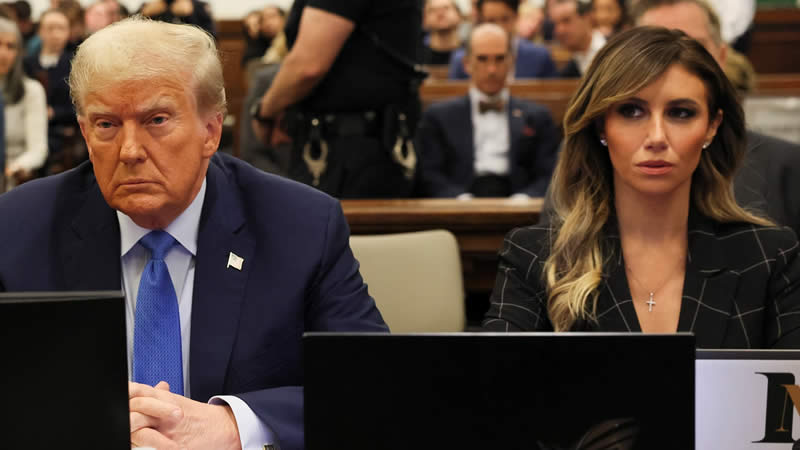
Her availability to defense attorneys over her own staff also raised eyebrows. Prosecutors reportedly “chafed” at her priorities, viewing them as misaligned with the office’s mission. As her 120-day term draws to a close on Tuesday, Habba’s fate now rests with the state’s district court judges.
They hold the authority to extend her time in office, although that outcome appears unlikely given the current climate. While her portraits may remain on the wall for now, many inside the office are simply ready for a return to normalcy.