
True crime has significantly influenced how Americans perceive law, justice, and the media. Some cases exposed failures in policing. Others pushed lawmakers to tighten regulations. Each one drew national attention because of the scale of violence or the people involved.
You can learn a lot from these stories. They show how crimes are solved, how mistakes are made, and how trials unfold. They also explain why some killers are remembered decades later while others fade into history.
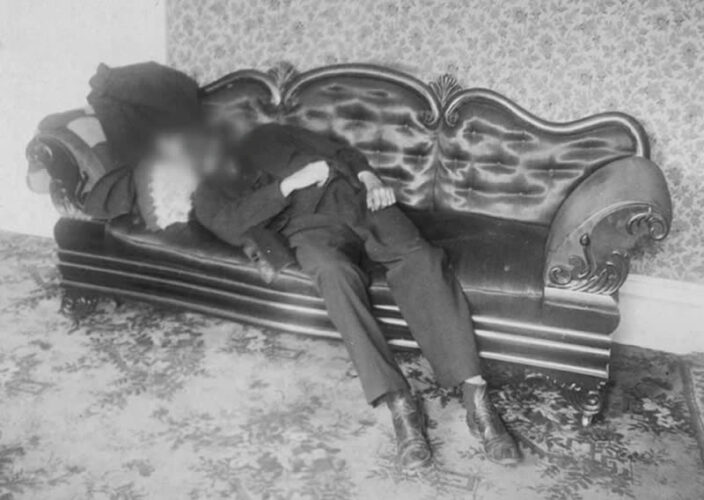
Lizzie Borden: In 1892, Andrew and Abby Borden were hacked to death in their Fall River, Massachusetts, home. Their daughter, Lizzie, was accused after evidence showed she was home at the time. She faced trial, but a jury acquitted her. Newspapers followed every detail, making it one of the first U.S. crimes to receive national press coverage. The murders remain unsolved, and the Borden house is now a museum.
Leopold and Loeb: In 1924, Nathan Leopold and Richard Loeb, two wealthy University of Chicago students, kidnapped and killed 14-year-old Bobby Franks. They believed their wealth and intelligence would let them commit the “perfect crime.” Their ransom plan failed, and evidence linked them to the murder. Defense attorney Clarence Darrow avoided the death penalty by securing life sentences. The case highlighted debates over privilege, morality, and punishment.
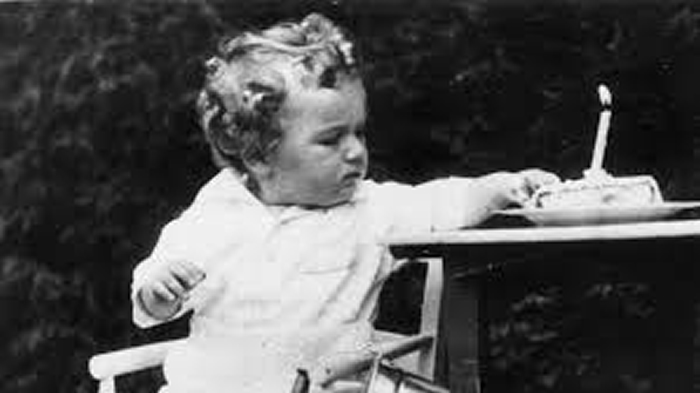
The Lindbergh Kidnapping: In 1932, aviator Charles Lindbergh’s 20-month-old son was kidnapped from the family home in New Jersey. A ransom of $50,000 was paid, but the boy was later found dead. Bruno Hauptmann, a German immigrant, was arrested after ransom money was traced to him. He was convicted and executed in 1936. The crime led Congress to pass the Federal Kidnapping Act, allowing the FBI to investigate future cases across state lines.
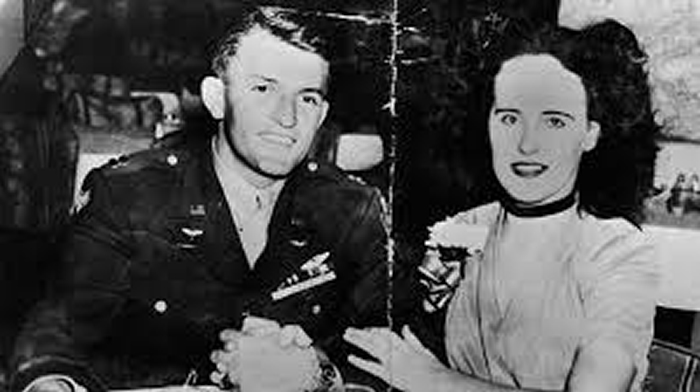
The Black Dahlia: In 1947, 22-year-old Elizabeth Short was found murdered in Los Angeles. Her body had been cut in half and left in a vacant lot. The case was nicknamed “The Black Dahlia” by the press, and it drew heavy coverage for years. Police interviewed hundreds of suspects but made no arrests. The case remains unsolved, though it has inspired dozens of books, films, and ongoing investigations.
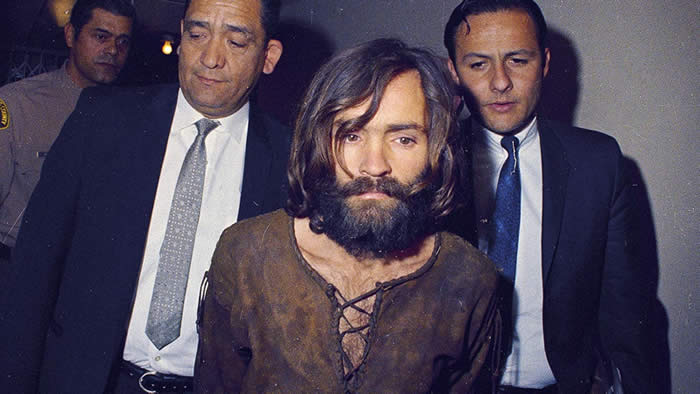
Charles Manson and the Tate Murders: In 1969, Charles Manson ordered his followers to kill. Actress Sharon Tate, who was eight months pregnant, and four others were murdered in her Los Angeles home. The next night, the group killed Leno and Rosemary LaBianca. The murders created national fear and ended the image of the 1960s counterculture as peaceful. Manson and his followers were convicted and sentenced to life in prison.
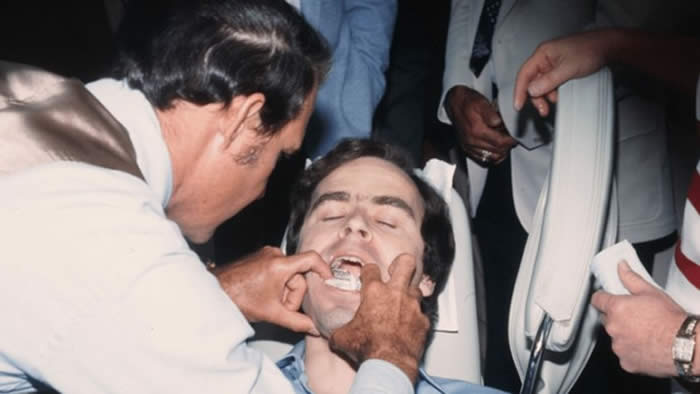
Ted Bundy: Between 1974 and 1978, Ted Bundy murdered women across several states, including Washington, Utah, Colorado, and Florida. He admitted to more than 30 killings, though investigators believe the true number may be higher. Bundy escaped custody twice, once from a courthouse and later from a jail in Colorado. He was recaptured after committing more murders in Florida. He was executed in 1989 after more than a decade on death row.
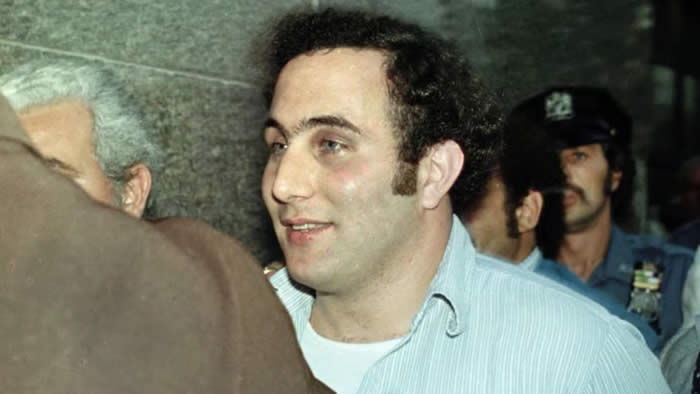
The Son of Sam: From 1976 to 1977, David Berkowitz carried out a series of shootings in New York City. He killed six and wounded seven. He taunted police and media with letters signed “Son of Sam.” Fear gripped the city, with many people avoiding night outings. Police arrested Berkowitz after tracing a parking ticket near a crime scene to his car. He confessed and received six life sentences.
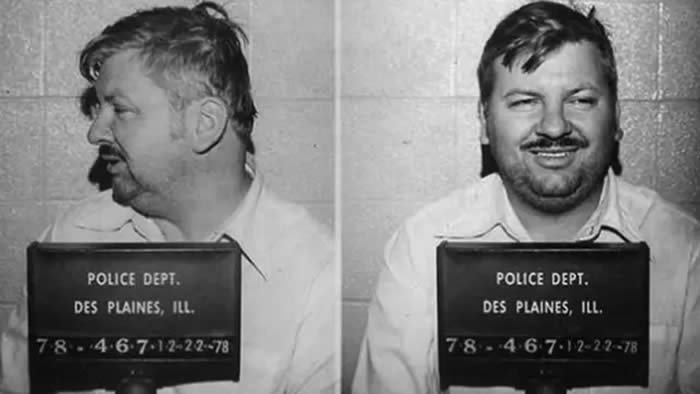
John Wayne Gacy: John Wayne Gacy murdered at least 33 young men in Illinois during the 1970s. He lured victims with job offers or while dressed as his clown persona, “Pogo.” Police discovered bodies buried under his house and in the crawl space. He was convicted in 1980 and sentenced to death. Gacy was executed in 1994, and his case remains one of the deadliest involving a single U.S. serial killer.
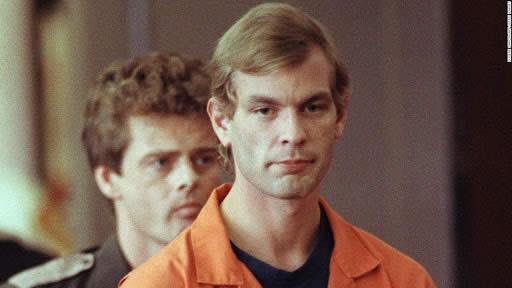
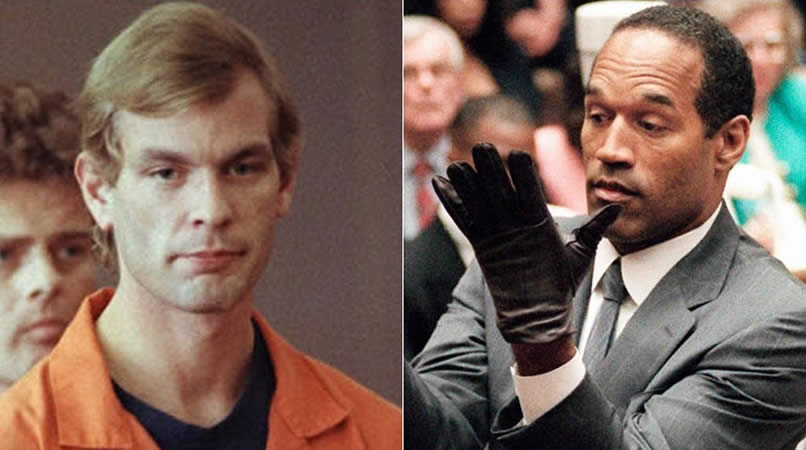
Jeffrey Dahmer: Jeffrey Dahmer killed 17 men and boys between 1978 and 1991, mostly in Milwaukee. He drugged victims and committed acts of mutilation and cannibalism. His crimes came to light when one victim escaped and alerted police. Investigators found photographs and remains in his apartment. Dahmer was sentenced to 15 consecutive life terms. He was murdered by another inmate in 1994.
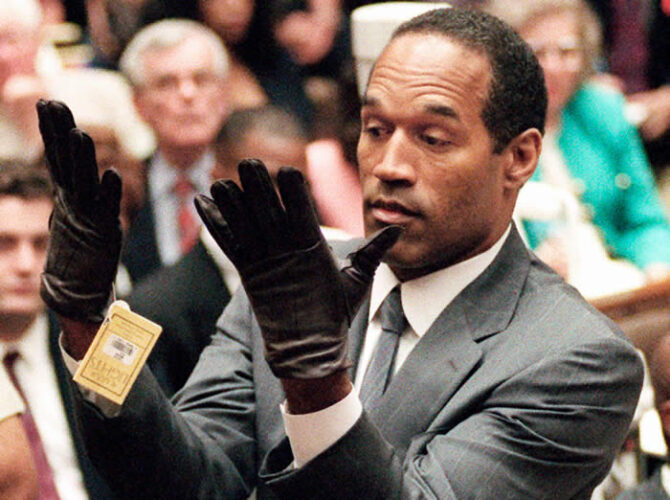
O.J. Simpson Trial: In 1994, Nicole Brown Simpson and her friend Ron Goldman were found stabbed to death outside her Los Angeles home. O.J. Simpson, a former NFL player and actor, was charged. His trial lasted nearly nine months and was broadcast nationwide. The defense raised doubts about police evidence and racial bias. A jury acquitted him in 1995. The case exposed divisions in American society over race, wealth, and justice.
These ten cases changed how the U.S. views crime and punishment. They shaped laws, policing, and even how the media reports criminal trials. Some also left lasting scars on communities.
When you study these cases, you see the patterns in violence and justice. They remind you to pay attention to how laws work and how courts handle high-profile cases. Each story is a window into how the U.S. confronts crime.