
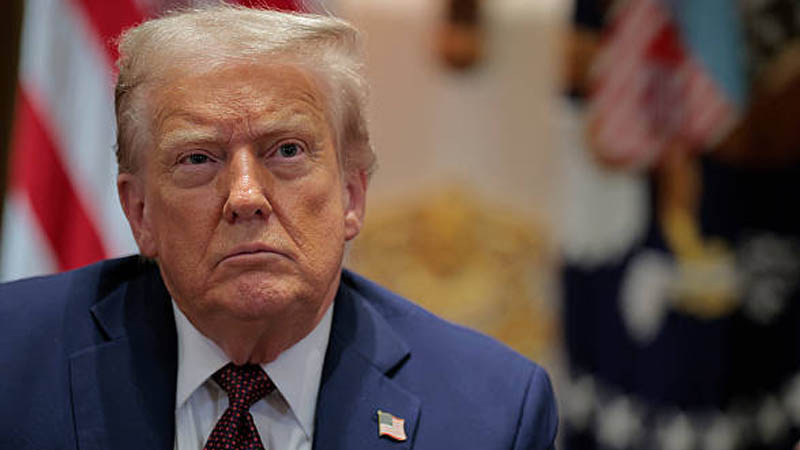
A new federal savings program is set to give every child born from 2025 through 2028 a financial boost at birth. Under the law signed this summer, each eligible baby receives a $1,000 deposit into what the government is calling a Trump Account. Supporters describe the accounts as a way to push families toward long-term saving and wealth building early in a child’s life.
“It’s an IRA for kids,” said Evan Morgan, a principal in the tax advisory group at Kaufman Rossin, who spoke to USA TODAY in August. The idea is simple. The government creates the account once a child has a Social Security number and funds it with the $1,000 contribution. Parents and others can later add up to $5,000 a year until the child turns 18, with employers allowed to chip in up to $2,500 of that amount. Contributions can begin in July 2026, though some remaining details are still being finalized.
The starting balance is also expected to grow. Michael Dell, CEO of Dell Technologies, is contributing more than $6 billion to the program. Officials say his gift will add about $250 to roughly 25 million accounts. The White House hopes other business leaders will follow his example.
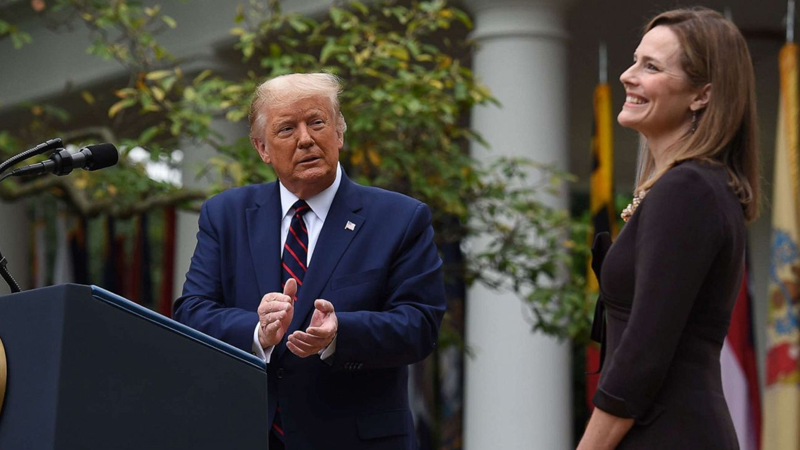
For some, the strongest appeal is the power of compounding over time. “To me, if I drew a best-case scenario on that thousand dollars, it would be sitting in that IRA, compounding, until I retired,” said J. Spencer Williams, founder and CEO of the Retirement Clearinghouse.
By law, the funds must be invested in low-cost stock index funds that track broad markets such as the S&P 500. Parent contributions are made after taxes, but withdrawals of those contributions are tax-free. Earnings are taxed when withdrawn. Money generally cannot be accessed until the child turns 18, after which the account functions like a traditional IRA. Early withdrawals for education or a first home are allowed without penalties, and penalty-free access begins at age 59½.
The Senate shifted the original design toward retirement savings, a change that left some families unsure how the new system fits into existing options. “This became nothing but a retirement account, at the end of the day. And there’s nothing wrong with that,” said Miklos Ringbauer, a certified public accountant in Southern California. He added that confusion remains. “We have to correct all the misinformation that’s out there.”
Whether parents should actively contribute is another open question. Some experts argue that 529 education plans offer better tax advantages for college savings. Others see Trump Accounts as simply one more entry in a tax code already crowded with specialized savings vehicles.
Still, proponents say the early start has value. “I’d call it an 18-year head start to retirement,” said Neal Ringquist of the Retirement Clearinghouse.
The program is expected to cost about $15 billion through 2034. Supporters hope it will help a generation build financial literacy and long-term stability. “This is a really big step forward,” Williams said. “In terms of using the American free market and the opportunity for growth and compounding to help people save for whatever comes next.”
READ NEXT
- How to Book the Perfect Golf Trip: A Step-by-Step Planning Guide
- Winter Wedding Suits for Men Bring Fabric, Fit and Comfort Into Focus
- Andrew Mountbatten-Windsor fights back with legal action as De Niro says he should apologise
- FBI Director Kash Patel gets engaged to longtime girlfriend
- Ken Urker dies at 34: Gypsy Rose Blanchard speaks out after partner’s death