
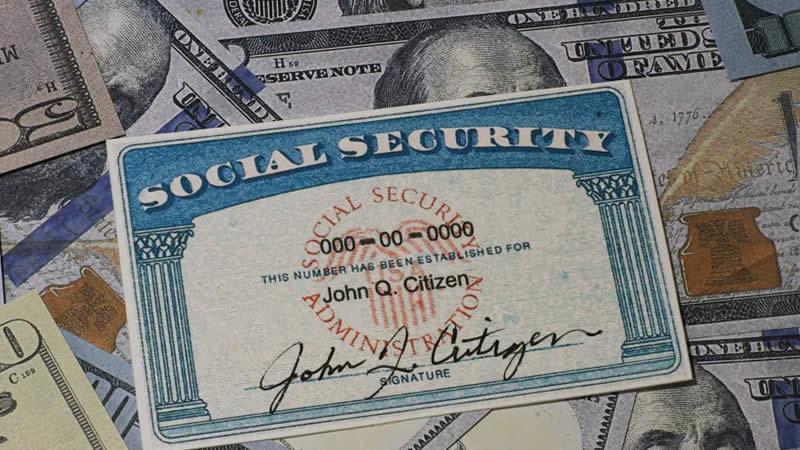
A major shift in the way Americans receive Social Security benefits and tax refunds is underway as the federal government begins phasing out paper checks for most programs. The transition took effect on Tuesday following an executive order signed by President Donald Trump in March.
The change impacts recipients of Social Security, Supplemental Security Income, and tax refunds. Officials say the move is designed to cut costs, reduce fraud, and improve efficiency by requiring electronic payments.
“The folks that I represent who get paper checks mostly learned from me about this transition,” Jennifer Burdick, a supervising attorney in the SSI Unit at Community Legal Services in Philadelphia, told PBS. She added that many claimants may not know about the change because they often move and may miss mailed notices.
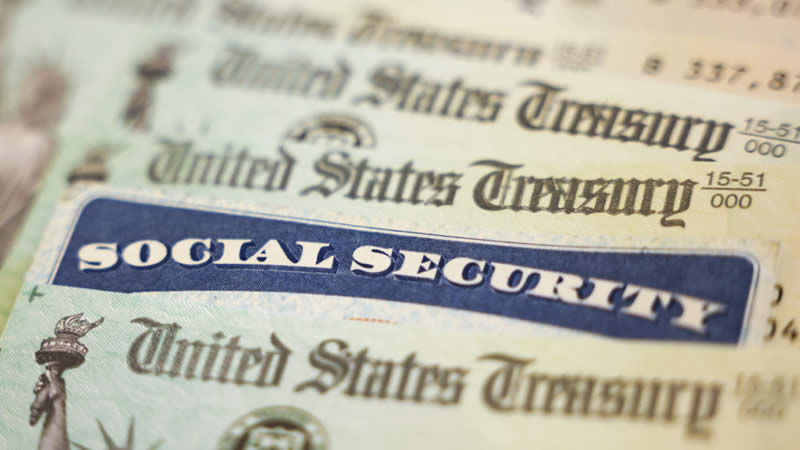
The executive order noted that paper checks “impose unnecessary costs, delays, and risks of fraud, lost payments, theft, and inefficiencies.” The Treasury Department said paper checks are “16 times more likely to be reported lost or stolen, returned undeliverable, or altered than an electronic funds transfer (EFT).”
Cost is also a factor. Treasury officials estimate that issuing a paper check costs around 50 cents, while an electronic transfer costs less than 15 cents. By encouraging direct deposit, prepaid debit cards, and digital wallets, the government expects to save millions annually.
Still, questions remain about the impact on people who rely on paper checks. In July, more than 692,000 Americans received their Social Security benefits by check, according to Matthew Bilenki, director of finance and management at the Social Security Administration.
Bilenki emphasized that benefits will not be halted for those still receiving paper checks. The agency is contacting beneficiaries to explain how to switch to electronic payments through direct deposit or the Direct Express card. Information is also being sent with checks to guide recipients through the process.

“If you have no other way to receive payments, we will continue to issue paper checks. There are no plans to pause any payments starting Oct. 1,” the SSA said in a statement. The IRS is also phasing out paper checks for tax refunds. Beginning September 30, most refunds will be issued electronically.
Individuals without bank accounts are being urged to use prepaid debit cards or digital wallets. The IRS said exceptions will be available but gave few details. More guidance is expected before the 2026 tax filing season. For now, officials said taxpayers should continue filing returns using the existing forms and procedures.