
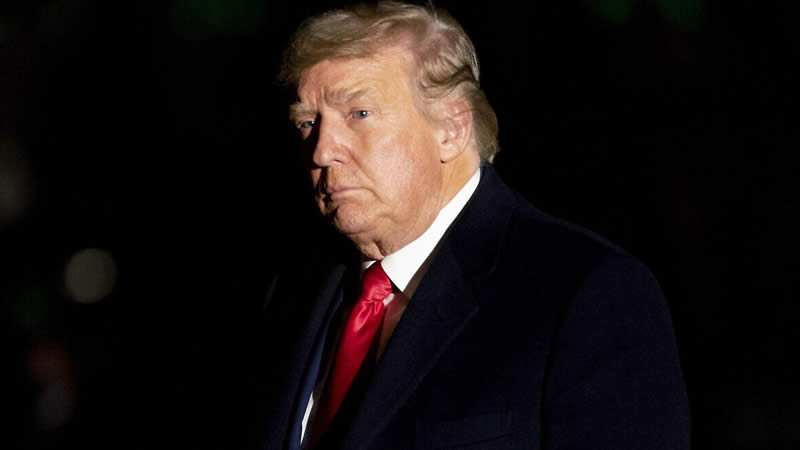
President Donald Trump has once again voiced his frustration with Federal Reserve Chairman Jerome Powell, saying he has not ruled out firing him, despite acknowledging such a move would be “highly unlikely” without evidence of fraud. Speaking to reporters on Wednesday, Trump stated, “I’m not planning to fire Powell, but quickly followed with a pointed caveat: “It would be highly unlikely unless there was an instance of fraud.”
This latest comment is part of a longstanding tension between the president and the Fed chairman he personally nominated during his first term. Trump has repeatedly criticized Powell for refusing to lower interest rates, arguing that the current monetary policy is damaging the economy.
“He’s a terrible Fed chair. I was surprised he was appointed,” Trump remarked, despite having chosen Powell himself to lead the central bank. The Federal Reserve has taken a cautious approach to adjusting interest rates, particularly as it monitors the effects of Trump’s tariff policies on inflation. Consumer prices rose 2.7% over the past year, a higher annual increase than the previous month.
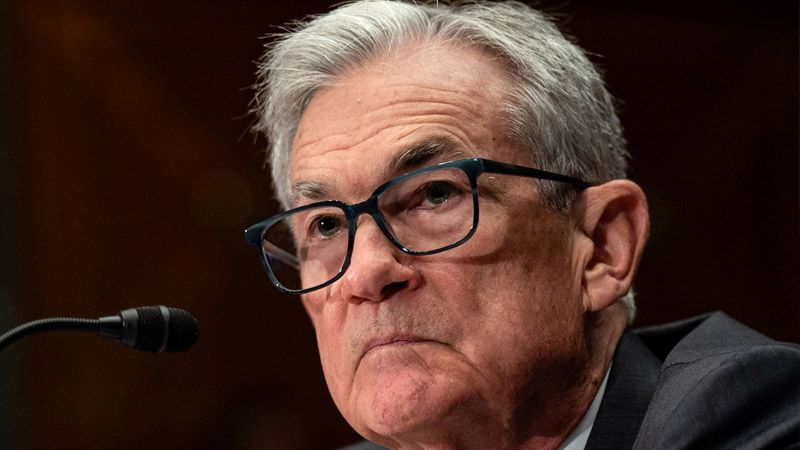
Nonetheless, Powell has opted to keep rates steady, prompting Trump’s increasing irritation. In a meeting with Republican lawmakers earlier this week, Trump reportedly floated the idea of removing Powell and received support from some members, according to a senior White House official who spoke to NPR on condition of anonymity.
The official noted that Trump suggested he may act soon to dismiss the Fed chair. Trump had already stirred market unease in April when he tweeted, “Powell’s termination cannot come fast enough!” The post led to a wave of speculation and volatility. Yet, just days later, he reversed course, saying he had “no intention of firing him.”
Adding to the friction, the White House has criticized Powell over the Federal Reserve’s ongoing multibillion-dollar renovation project. In a letter dated July 10, Office of Management and Budget Director Russell Vought expressed “serious concerns” about the renovation’s cost and requested a detailed financial breakdown.
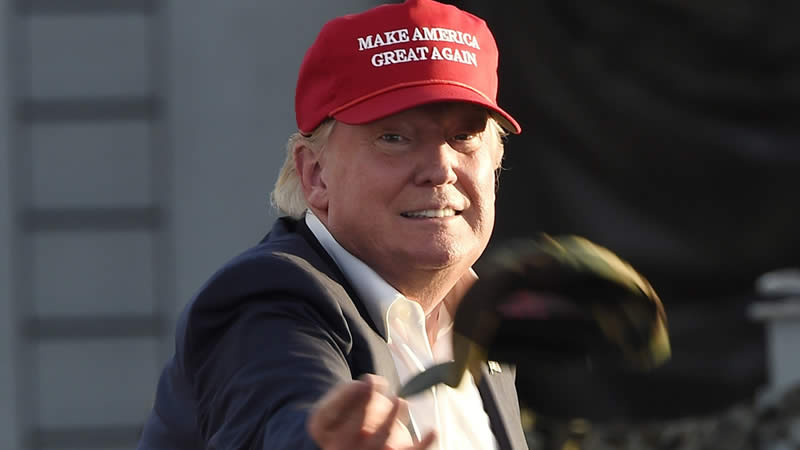
For his part, Jerome Powell has asserted that Trump does not have the legal authority to fire him before his term ends in May of next year. In a November statement, Powell declared he would not step down, even if asked.
While Powell does not set interest rates alone, he chairs the Federal Open Market Committee, a board that votes collectively on monetary policy, further complicating any effort to hold him solely responsible for rate decisions. Whether Trump will follow through on the threat remains uncertain, but his repeated comments continue to generate political and economic ripple effects.