
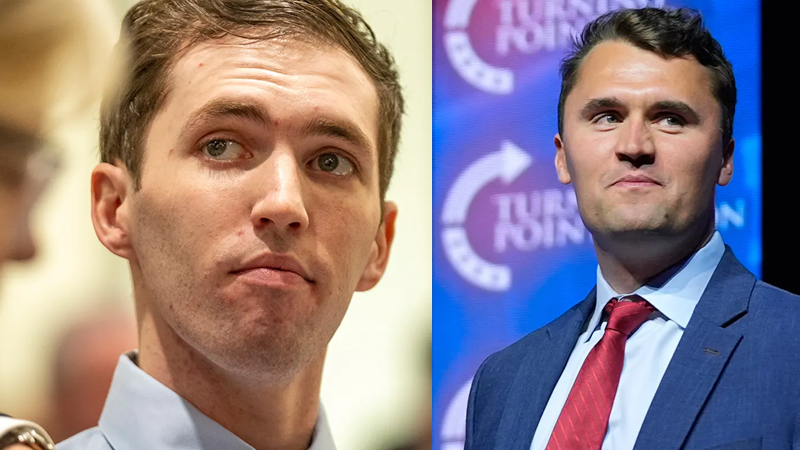
Defence attorneys for Taylor James Robinson, the man accused of assassinating conservative activist Charlie Kirk, have formally requested a postponement of his preliminary hearing, originally scheduled across three days in May.
The move signals that the defence team needs more time to work through a substantial volume of evidence, including a critical bullet analysis that may complicate the prosecution’s case.
At the heart of the delay request is a forensic finding that could prove pivotal. According to a recent court filing, an analysis conducted by the Bureau of Alcohol, Tobacco, Firearms and Explosives failed to link a bullet fragment recovered during an autopsy to the rifle discovered near the scene.
The agency “could not establish a connection” between the two, a revelation that the defence appears eager to exploit. The FBI is currently conducting additional testing, though its reports remain confidential for the time being. Defence attorneys have cited excerpts from other public filings suggesting that earlier results were similarly inconclusive.
The reliability of forensic ballistics hinges heavily on the size and condition of recovered bullet fragments. Experts examine microscopic markings called striations, tiny scratches etched onto a bullet as it travels through a gun barrel, which function like fingerprints, unique to each individual firearm.
When fragments are too small or damaged, drawing a definitive match becomes significantly more difficult.
Beyond the bullet analysis, the defence team has also pointed to DNA evidence it says undermines the state’s narrative. Forensic reports reportedly show genetic material from multiple individuals on certain pieces of evidence, with attorneys arguing the findings are far from conclusive.
The defence strategy appears focused on dismantling the prosecution’s physical evidence during the preliminary hearing, with the ultimate goal of preventing the case from ever reaching a full trial. Robinson’s legal team is expected to argue that the forensic picture is too muddled to sustain the charges against their client.
Before that battle begins, however, the next court appearance will center on a separate defence motion seeking to ban cameras from the courtroom entirely, a move that could shape how the public follows one of the most closely watched cases in recent memory.