
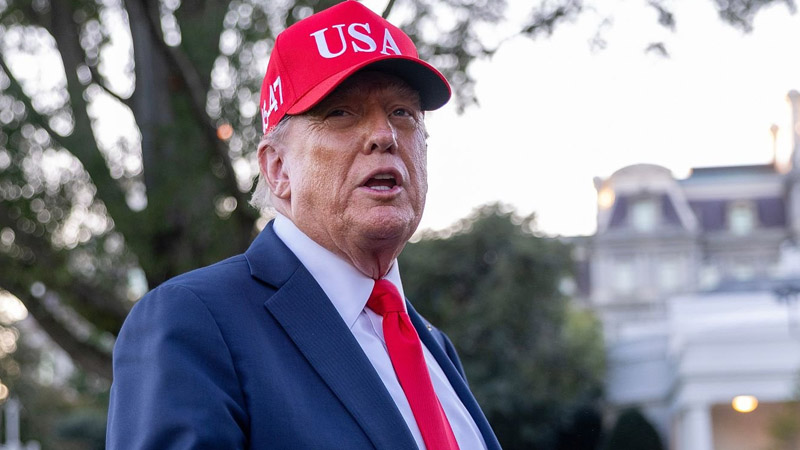
The fallout from President Donald Trump’s decision to launch military action against Iran reportedly sent shockwaves through the White House as global oil prices surged, triggering panic among administration officials.
According to reporting discussed by Financial Times columnist Ed Luce on MSNBC’s MS NOW, Trump reacted angrily when crude oil prices rapidly climbed toward $120 per barrel. The sudden spike reportedly caught officials off guard and exposed internal concerns about the economic consequences of escalating conflict in the Middle East.
Luce said the president “flipped out” over skyrocketing oil prices as the market reacted to the outbreak of hostilities. A White House insider later confirmed the account to Politico, suggesting the reaction inside the administration was intense as markets responded to the geopolitical tension.
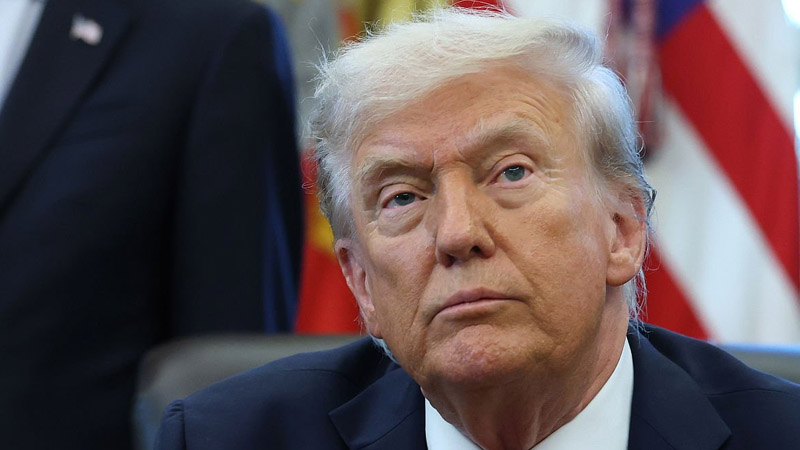
The episode has highlighted what critics describe as a major miscalculation by the administration. Officials appear to have underestimated how quickly military operations in a key energy-producing region could disrupt global markets and drive prices sharply upward.
Despite the market volatility, some former officials said the administration is unlikely to change course based on short-term price fluctuations. One former Trump administration official explained that policymakers typically look for sustained trends before reconsidering strategy.
The official said the administration requires a “consistent, multiweek read” of oil prices before reconsidering its strategy. “These temporary little gyrations are not what they’re going to be basing their policy on.”
Other sources familiar with internal discussions suggested the administration has not seriously considered altering its military approach in response to rising oil costs, even as markets react to the developing conflict.
Still, the scale of Sunday’s price surge reportedly stunned people close to the White House. One person familiar with the reaction inside the administration described the moment as chaotic, with prices spiking during trading.
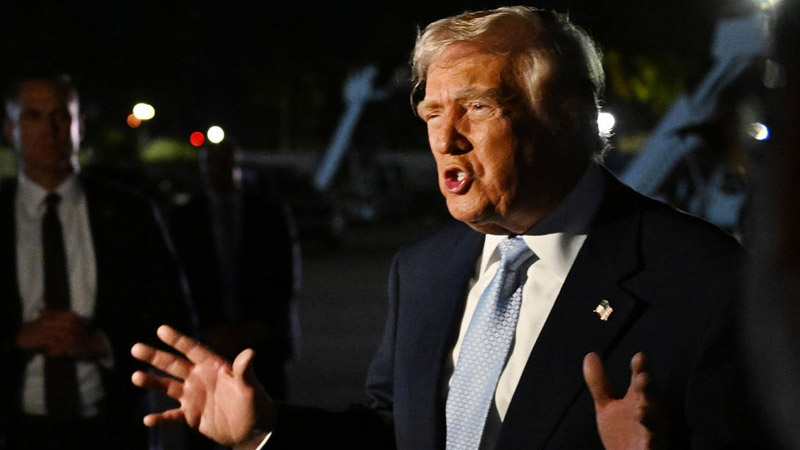
“At the worst moments [Sunday] night, it was insane,” a person close to the White House said. “That definitely surprised me, and it absolutely surprised them.”
By Monday, officials were working to contain the economic and political fallout. Administration figures reportedly tried to reassure traders that supply chains would remain stable while also attempting to calm concerns among Republican lawmakers.
Some GOP leaders worry the conflict could undermine the party’s economic messaging ahead of the midterm elections, particularly its focus on lowering the cost of living for American voters.
Public concern appears widespread. According to a Quinnipiac poll, more than 70 per cent of voters said they are worried that the conflict with Iran will drive up oil and gas prices.
Despite the surge, the White House has attempted to downplay the economic impact. White House spokesperson Taylor Rogers described the spike as temporary, saying Trump views higher energy costs as “short-term disruptions.”
READ NEXT
- How to Book the Perfect Golf Trip: A Step-by-Step Planning Guide
- Winter Wedding Suits for Men Bring Fabric, Fit and Comfort Into Focus
- Andrew Mountbatten-Windsor fights back with legal action as De Niro says he should apologise
- FBI Director Kash Patel gets engaged to longtime girlfriend
- Ken Urker dies at 34: Gypsy Rose Blanchard speaks out after partner’s death