
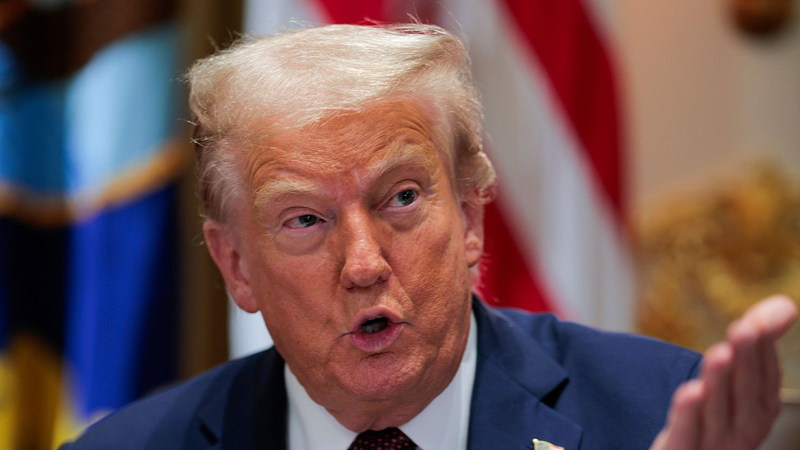
President Donald Trump’s repeated self-references as a dictator have drawn sharp criticism from analysts and commentators, while Republicans remain largely silent on the matter.
Progressive YouTuber Brian Tyler Cohen, speaking on his show No Lies, argued that Trump’s continued framing of himself as a dictator is an intentional move to make the idea appear normal to the American public. He expressed disbelief that Republican lawmakers have not challenged the remarks.
“No matter what happens in this election, for years to come, there are many people on the right, in the media, and voters at large who are going to have to explain and justify how they fell into this trap of supporting Donald Trump,” Cohen said.
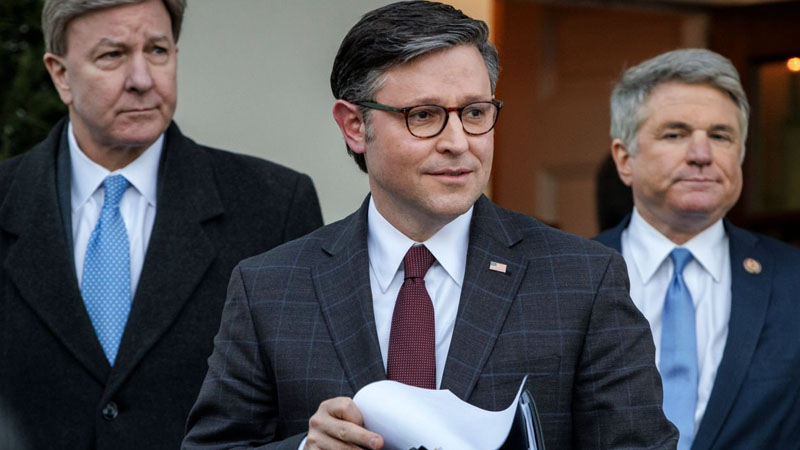
He went further, sharply criticizing Republican leaders for failing to speak out. “These people are weak, small, impotent cowards who are more concerned with proximity to power than their oaths of office and the Americans they purport to represent,” he said.
Trump previously attempted to soften concerns by saying he would not be a dictator “except for Day 1.” However, many political observers note that Trump has already expanded presidential powers beyond what past administrations exercised and is seeking to leverage those powers to reshape federal government functions.
According to Cohen, the double standard is striking. He argued that Republicans would strongly condemn such actions if any other president pursued them. Instead, he said, their ongoing silence as Trump continues to test the boundaries of American democracy reveals troubling priorities.
“The fact that these people are nothing more than spineless little b—— more afraid of Trump than they are concerned about helping their own constituents is how we landed here,” Cohen added.
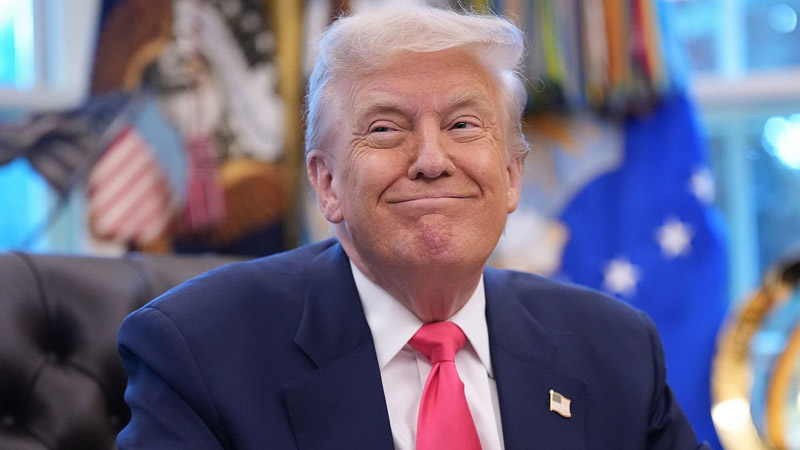
Analysts have raised alarms that Trump’s rhetoric and use of executive authority could normalize anti-democratic behavior in American politics. They warn that future leaders may follow his example, creating a lasting shift in the balance of power between the presidency and other branches of government.
For now, the silence from Republican lawmakers remains one of the most notable features of the debate. Critics argue that their reluctance to confront Trump’s language reflects a political calculation: maintaining support from his loyal base outweighs any obligation to uphold constitutional norms.
Whether Trump’s remarks are dismissed as offhand jokes or recognized as serious indicators of his intentions, Cohen and other critics maintain that they are reshaping the conversation about the future of American democracy.