
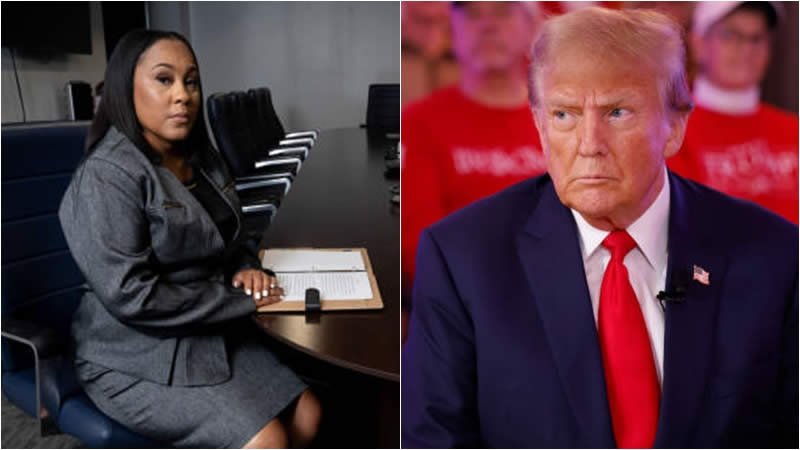
A prominent legal analyst criticized prosecutors in Georgia on Wednesday after they moved to dismiss a long-running criminal case against President Donald Trump, saying the decision appeared driven by the length of time it would take to bring the matter to trial.
The case stemmed from charges filed under Georgia’s RICO statutes related to Trump’s efforts to overturn the 2020 presidential election results. The prosecution slowed over the past year as defense attorneys challenged the involvement of former district attorney Fani Willis.
They argued she provided improper benefits to another prosecutor, Nathan Wade, which they said compromised the integrity of the case. A judge later ruled that Willis had to be removed, which forced the appointment of a new prosecutor.
Pete Skandalakis, executive director of the Prosecuting Attorneys’ Council of Georgia, assumed responsibility and, on Wednesday, moved to dismiss the case against Trump. Skandalakis argued that pursuing a full prosecution would require more time than was reasonable, especially as the president remains the central figure in the indictment.
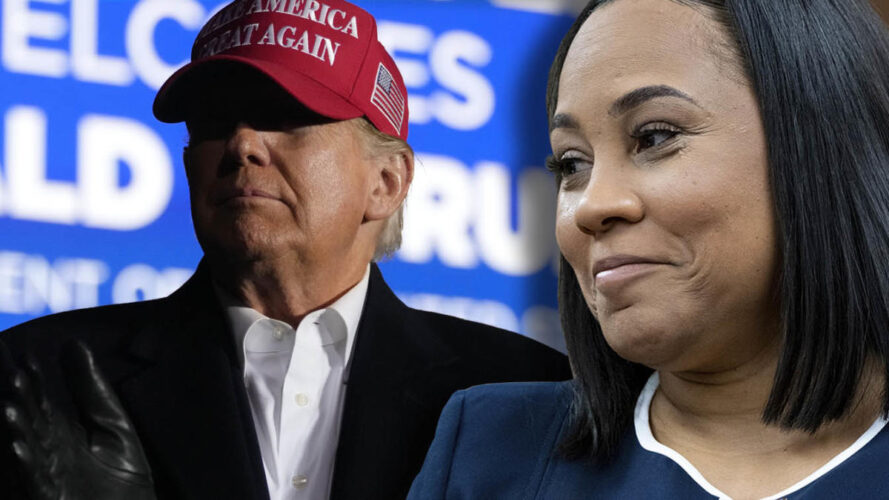
Former federal prosecutor Glenn Kirschner discussed the development on his podcast Justice Matters, taking direct aim at the reasoning behind the move.
“The veteran prosecutor, Skandalakis, said it would be illogical, unduly burdensome, and costly to try the remaining 14 defendants in the case without Trump,” Kirschner said. “Given that he’s the central figure named in the indictment, it would be unduly burdensome and costly to try to hold the other indicted co-conspirators accountable for their crimes.”
Kirschner then questioned what broader cost the decision might carry. “[At] what price? Democracy?” he said. “What’s the value of America’s free and fair elections?” Trump and 18 others had been accused of targeting Georgia officials, including Secretary of State Brad Raffensberger and a group of election workers, in an effort to overturn the state’s 2020 results.
The centerpiece of the allegations remained Trump’s recorded call in which he told Raffensberger to “find” more than 11,000 votes, enough to alter the outcome in his favor. Kirschner argued that abandoning the case because of time and expense concerns defied the basic expectations of the justice system.
“Nobody said prosecuting was easy or fun or inexpensive,” he said. “But to say a case like this, where Donald Trump is on an audio recording saying just find me 11,780 votes, is too costly, too burdensome, or would take too long, is a perversion of justice.”
The decision has sparked renewed debate among legal analysts, many of whom say the case raised significant questions about accountability, election integrity, and the limits of prosecutorial discretion.