
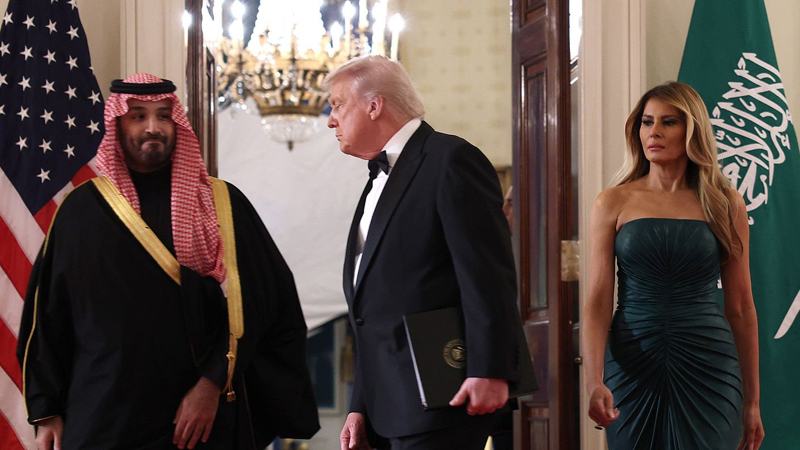
A CNN legal analyst is raising alarms about a significant gap in the new law requiring the government to release Jeffrey Epstein–related records. President Donald Trump announced late Wednesday that he signed the Epstein Transparency Act, a measure passed with broad bipartisan support that directs federal agencies to make the files public within 30 days.
But according to CNN’s Elie Honig, the legislation includes language that could still allow the administration to withhold crucial information. Honig outlined his concerns during an appearance on Anderson Cooper 360, telling viewers the public should not assume full transparency is guaranteed. “All of this is highly abnormal,” he said. “In a regular case, DOJ would never just open up its files like this.”
Honig emphasized that while the law appears straightforward, a key clause allows exceptions that could undermine the entire purpose of the bill. “One really important thing I want people to understand, though, is that there’s a huge loophole in the law itself that President Trump just signed and that says that DOJ does not have to make public any materials relating to ongoing criminal investigations,” he said.
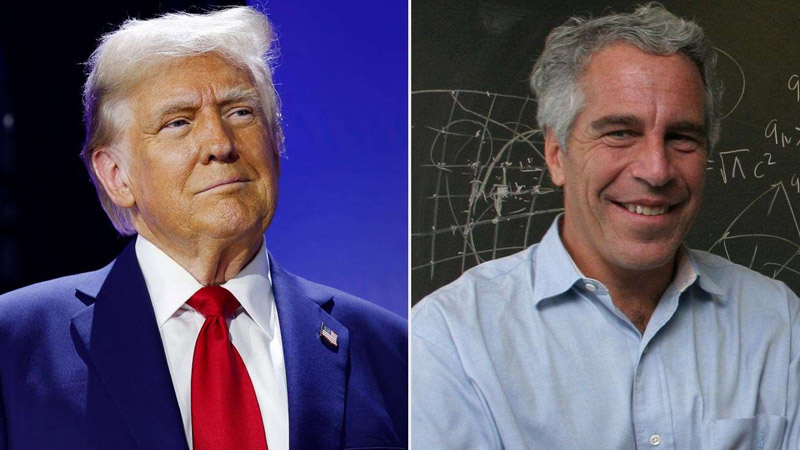
The exception is broad enough that the Department of Justice could cite it frequently, Honig explained. If officials decide that certain documents fall under that category, those records could be withheld, redacted, or delayed indefinitely. Honig warned that this decision would be left in the hands of a small group of Trump allies who now hold key positions.
“And what that means is it’s going to be up to Pam Bondi, Todd Blanche, and Kash Patel,” Honig said. “If they want to say, ‘Well, that relates to some ongoing investigation,’ it will be redacted or it will be left out, and we will not see that.”
The bill’s supporters argue that its passage marks a major step toward public disclosure in one of the most scrutinized cases of the past decade. Epstein’s death in 2019 and the far-reaching allegations connected to him have fueled years of speculation and calls for accountability. Many lawmakers who backed the act said the public deserves clarity and transparency.
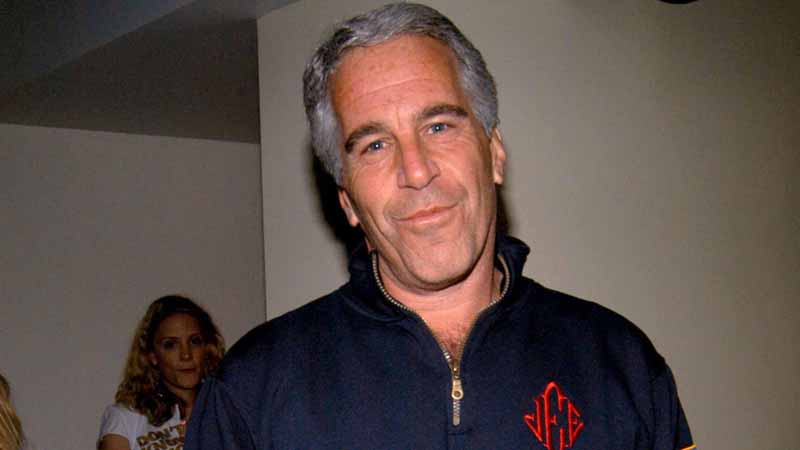
But Honig’s analysis suggests the law may not fulfill those expectations. He noted that the Justice Department has wide discretion to define what constitutes an ongoing investigation, a designation that could apply to a large portion of the records.
As the 30-day countdown begins, the looming question is how much of the Epstein file will actually see the light of day. Honig’s warning indicates that despite bipartisan pressure for openness, the administration could still decide to keep some of the most sensitive documents out of public view.
READ NEXT
- How to Book the Perfect Golf Trip: A Step-by-Step Planning Guide
- Winter Wedding Suits for Men Bring Fabric, Fit and Comfort Into Focus
- Andrew Mountbatten-Windsor fights back with legal action as De Niro says he should apologise
- FBI Director Kash Patel gets engaged to longtime girlfriend
- Ken Urker dies at 34: Gypsy Rose Blanchard speaks out after partner’s death