
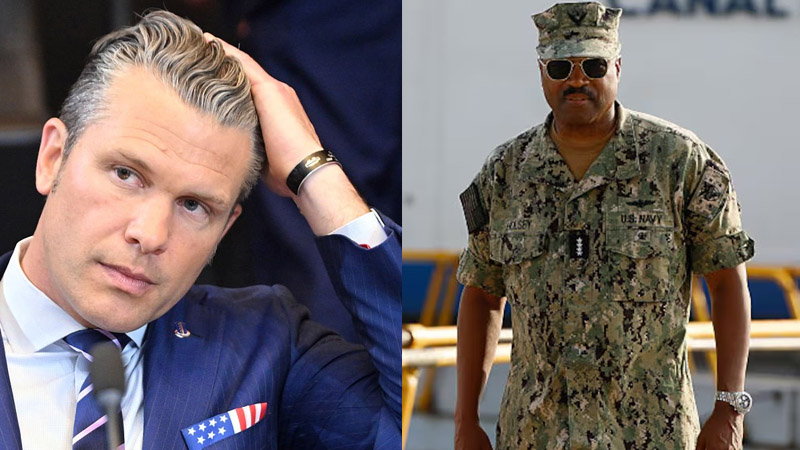
Defense Secretary Pete Hegseth faces renewed turmoil inside the Pentagon after another top commander announced his early departure, marking the latest in a series of high-profile exits under his leadership.
Navy Admiral Alvin Holsey, who has led U.S. Southern Command since November last year, will step down in December two years ahead of schedule. The move comes amid reports of growing friction between Holsey and Hegseth over U.S. operations in Latin America, particularly around President Donald Trump’s aggressive campaign against what he has called “narcoterrorists.”
Holsey, a 37-year Navy veteran, did not provide a specific reason for his retirement. In a message posted to social media, he wrote, “Serving as your commander and deputy for the past 34 months has been a tremendous honor. The SOUTHCOM team has made lasting contributions to the defense of our nation and will continue to do so. Keep Charging!!!”
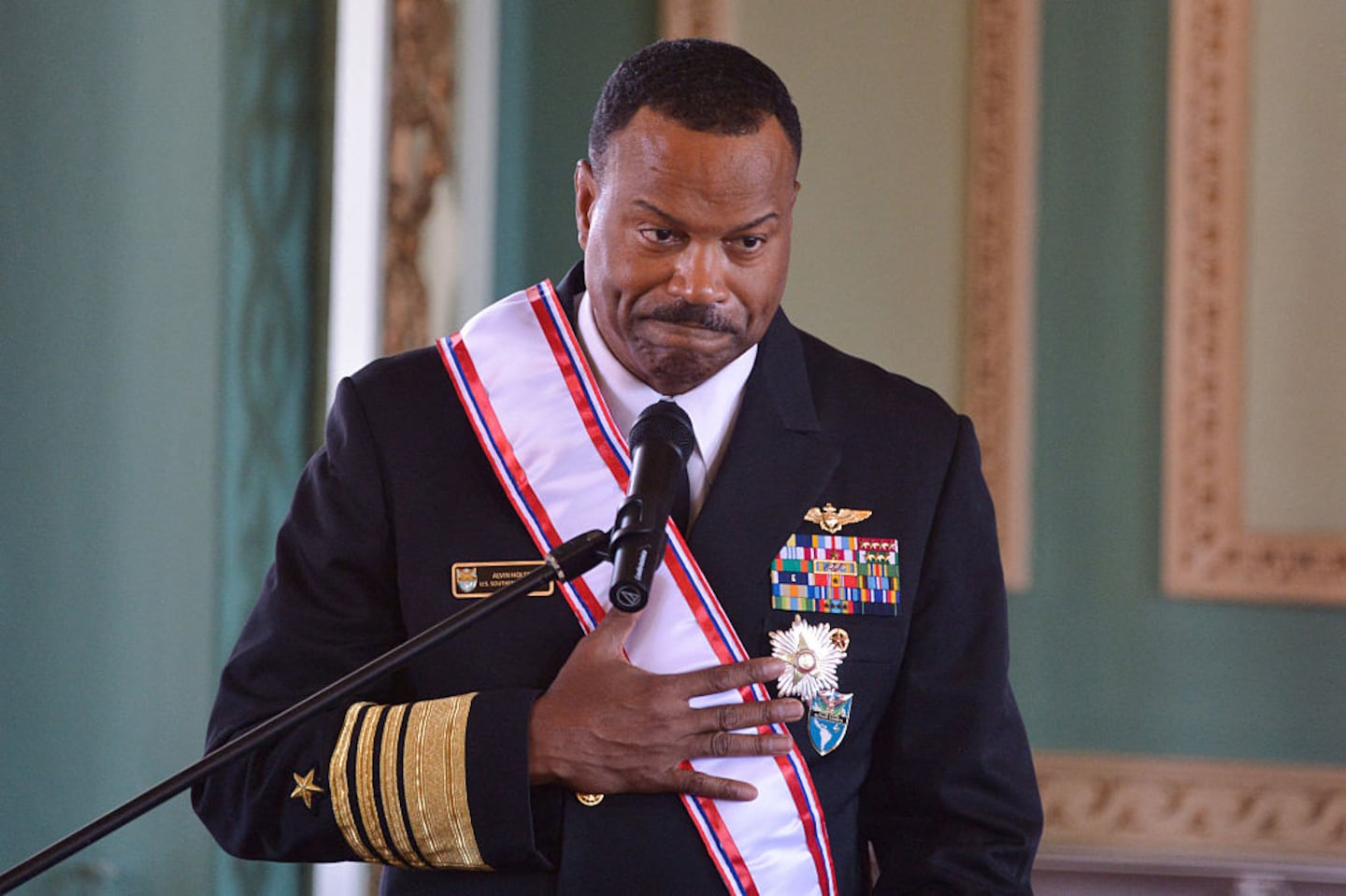
Reports from Reuters and The New York Times suggest Holsey had grown uneasy about recent Pentagon decisions, including the escalation of lethal strikes on suspected drug boats in the Caribbean. Some officials told The Washington Post that Hegseth had become “disenchanted” with Holsey and wanted him to step aside after disagreements about military strategy.
Despite speculation, a Pentagon source told the Daily Beast that “Admiral Holsey didn’t resign in protest and anyone writing that has no clue what they’re talking about.” The Defense Department, which Hegseth has rebranded “The Department of War,” released a statement praising Holsey’s long service but did not address the reasons behind his early exit.
“We extend our deepest gratitude to Admiral Alvin Holsey for his more than 37 years of distinguished service,” Hegseth wrote. “His tenure reflects a legacy of operational excellence and strategic vision.” Senator Jack Reed, the top Democrat on the Senate Armed Services Committee, voiced concern that Holsey’s resignation underscores internal divisions within the military at a time of rising tensions with Venezuela.
“Admiral Holsey’s resignation only deepens my concern that this administration is ignoring the hard-earned lessons of previous U.S. military campaigns,” Reed said in a statement to The Guardian. The shake-up comes just days after Trump confirmed he had authorized the CIA to carry out covert operations in Venezuela, citing drug trafficking and migration issues.
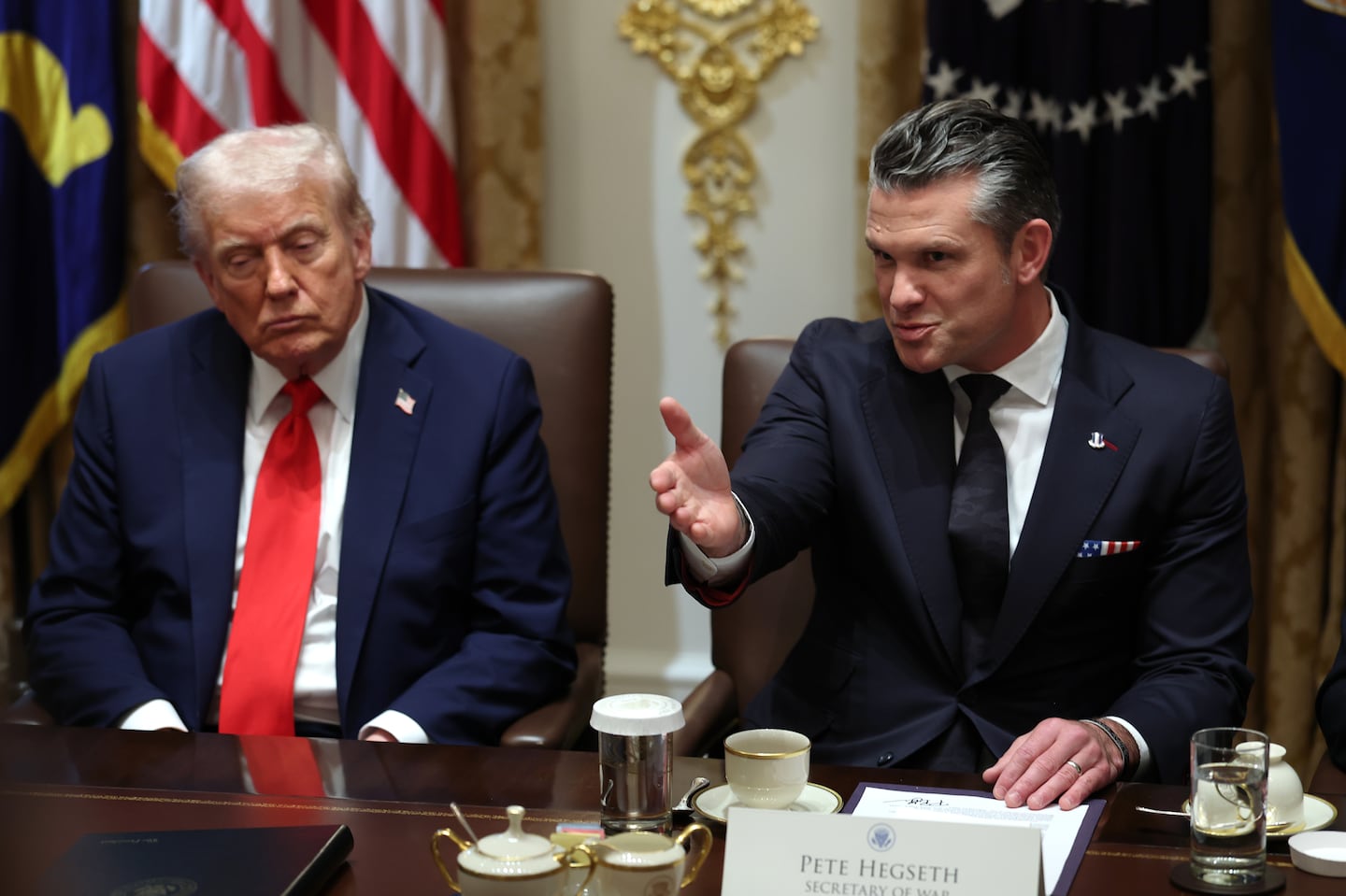
“They have emptied their prisons into the United States,” Trump said. “And the other thing, the drugs, we have a lot of drugs coming in from Venezuela.” Holsey’s departure follows a string of senior military dismissals and resignations under Hegseth, including top naval and Air Force leaders.
The Pentagon has also faced growing unrest among journalists, many of whom walked out last month after Hegseth ordered that only preapproved information be published — a move critics have described as an attack on press freedom. With multiple resignations, internal friction, and escalating foreign operations, Washington insiders warn that morale inside the Pentagon may be reaching a breaking point.