
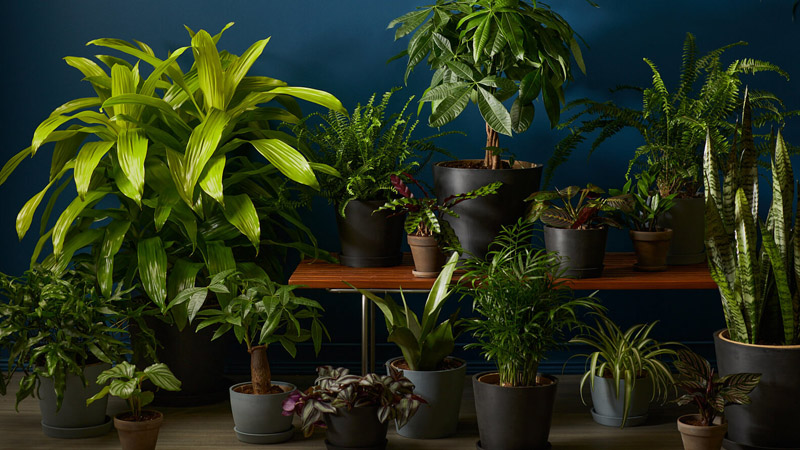
Growing houseplants indoors doesn’t require rooms filled with sunlit windows or direct sunlight streaming in. If you’re working with dim corners, basement spaces, or rooms with little natural light, you’re not alone in thinking plants won’t thrive in such conditions. The truth is, there are plenty of houseplants perfectly suited for low-light areas, and with the right care, these plants can thrive in even the most shaded parts of your home.
With years of experience experimenting with different types of houseplants in low light, I’ve learned that it’s all about choosing the right varieties and providing the right care. Whether you’re working in an office with artificial lights or you have a bedroom that barely gets indirect sunlight, the right plant can thrive in these specific conditions. Let’s explore some of the best houseplants for low-light areas and how to care for them.
Understanding Low Light Areas
Before we dive into plant recommendations, it’s important to define what “low light” actually means. Low-light spaces typically receive less than 2 to 3 hours of indirect sunlight daily. These spaces include north-facing rooms, windowless hallways, offices with fluorescent lighting, and basements. It’s important to note that low light does not mean “no light” plants in low light areas still need some level of light, but they’ve adapted to grow with minimal exposure.
Read Also: 7 Best Indoor Plants for your Bathroom
Houseplants that thrive in low light conditions generally originate from environments like forest understories, where sunlight is filtered through taller trees. These plants have evolved to cope with shade, often developing larger leaves and more efficient mechanisms for photosynthesis. If you can replicate these conditions at home, your low-light plants will flourish.
Top Houseplants for Low Light Areas
Pothos
If you’re looking for a low-maintenance plant that can handle dim spaces, pothos (Epipremnum aureum) is the ultimate choice. Pothos is widely regarded as one of the most forgiving houseplants. This trailing vine grows well in low light and requires little attention, making it perfect for beginners. I’ve successfully grown pothos in corners that barely receive any natural light, with only the ambient room lighting.
Care Tip: Water the pothos when the soil feels dry to the touch, and it will reward you with lush green growth. Pothos also purifies the air, making it a functional and attractive addition to your home.
Snake Plant
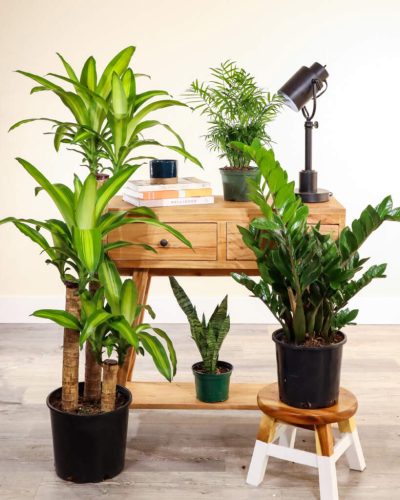
Another great choice for low-light areas is the snake plant (Sansevieria), also known as mother-in-law’s tongue. These plants are nearly indestructible and thrive even with neglect. Snake plants can survive in low light, and they’re extremely tolerant of dry conditions, which means you don’t need to worry about frequent watering. Their upright, sword-like leaves add a striking architectural element to your decor.
Care Tip: Snake plants prefer to dry out between waterings, making them perfect for busy individuals who may forget to water their plants regularly.
ZZ Plant
The ZZ plant (Zamioculcas zamiifolia) is a robust houseplant that tolerates low light environments and infrequent watering. Its glossy, dark green leaves add elegance to any room, and the plant thrives in areas with only artificial light. It’s an excellent choice for people looking for a low-maintenance, visually appealing plant.
Care Tip: Let the soil dry out completely before watering, and avoid overwatering to prevent root rot. ZZ plants are particularly well-suited for spaces with dry air, making them ideal for homes with air conditioning or heating.
Cast Iron Plant
True to its name, the cast iron plant (Aspidistra elatior) is incredibly durable and well-suited for low light conditions. This plant is native to forest floors and thrives in dim areas with indirect light. It’s perfect for areas like offices or bedrooms where natural light is scarce.
Care Tip: Cast iron plants require minimal care and can tolerate inconsistent watering and low humidity. It’s a low-maintenance plant that looks beautiful with its deep green, glossy leaves.
Philodendron
The philodendron is another excellent choice for low light. Known for its heart-shaped leaves, this climbing plant grows well in dim corners and adds a touch of greenery to your space. Like pothos, philodendrons are easy to care for and can tolerate neglect. They can climb trellises, moss poles, or simply cascade down from hanging baskets.
Care Tip: These plants grow well in low light but may benefit from occasional feeding during the growing season. Water the soil when it feels dry, and be sure not to overwater.
Dracaena
For a dramatic touch in low-light spaces, consider the dracaena. With its striking, sword-like leaves and various cultivars featuring colorful patterns, dracaenas make great focal points in rooms with dim lighting. While they grow more slowly in low light, they are perfectly adaptable and can thrive in shaded spots.
Care Tip: Dracaenas prefer to dry out between waterings, so allow the soil to dry before watering again. Keep an eye on their leaf tips, as they may turn brown if overwatered.
Calathea
If you love plants with unique and beautiful patterns, Calathea might be your perfect choice. These plants have stunning, patterned leaves and can handle low light conditions better than many people expect. They thrive in the humidity of bathrooms and kitchens with low natural light.
Care Tip: Calatheas require consistent moisture and prefer a slightly more humid environment. Ensure the soil stays moist but not soggy for the healthiest growth.
Caring for Houseplants in Low Light Areas
While low-light houseplants are more adaptable, there are a few key tips to ensure they thrive:
1. Provide Some Light
Even low-light plants need some level of light to survive. If your space has no natural light, consider adding a small grow light to supplement the light your plants receive.
2. Water Less Frequently
Low light conditions slow down plant growth, meaning your plants need less water. Overwatering can lead to root rot, so always check the soil moisture before watering.
3. Be Patient with Growth
Plants in low light will grow more slowly. This is natural, so don’t be discouraged if your plant isn’t growing as quickly as it would in a sunnier spot. Avoid excessive fertilizing, as this can harm plants in low light.
4. Create an Optimal Environment
Maximize available light by placing your plants near windows or cleaning the leaves regularly to allow maximum light absorption. If natural light is limited, use affordable LED grow lights, which can provide the necessary light without high energy costs.
Final Thoughts: Transforming Your Home with Houseplants for Low Light Areas
The right houseplants can make a huge difference in low-light spaces. By selecting plants that thrive in shaded environments and understanding their needs, you can create vibrant green sanctuaries in even the dimmest corners of your home. Whether you start with a low-maintenance pothos or a stylish snake plant, these houseplants will thrive in low-light areas, bringing beauty and life to your home.
Ready to Bring Greenery Into Your Low-Light Spaces?
Now that you know which houseplants thrive in low-light areas, it’s time to get started! Choose one of these low-maintenance plants, and watch how it transforms your home. Share your favorite low-light houseplants in the comments below and tell us how they’re thriving in your home!