
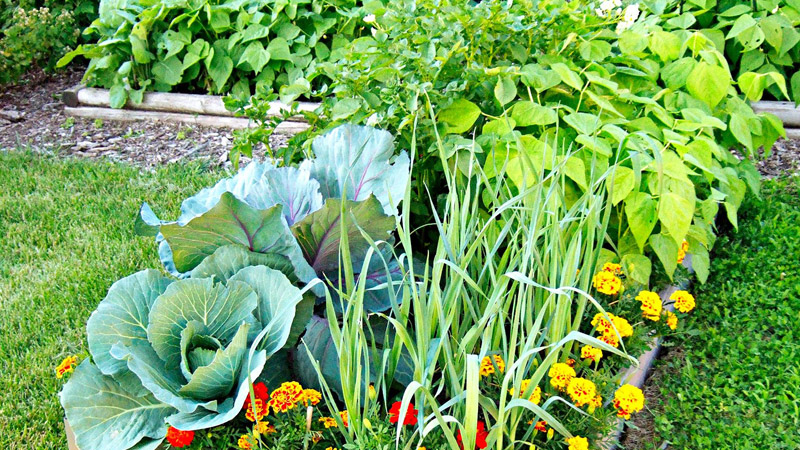
Starting a vegetable garden at home is one of the simplest ways to boost your health, save money, and bring a little calm into your daily routine. For a lot of guys, gardening can feel intimidating at first. Maybe you’ve never grown anything beyond a patchy lawn, or you worry you don’t have enough space or time. The good news is that a productive home garden doesn’t require a big yard, years of experience, or an expensive setup.
As someone who has covered food and health topics for years, I’ve seen how powerful home gardening can be for men who want better control over what they eat. Fresh vegetables are loaded with nutrients your body needs, and growing them yourself gives you access to cleaner, more flavorful produce than anything you’ll find at the store.
This guide breaks down everything you need to know to start a garden you’ll actually enjoy maintaining. Whether you want homegrown tomatoes for the grill or a steady supply of greens for healthier meals, you’ll find easy, practical steps you can start today.
Why Men Should Consider a Vegetable Garden at Home
A lot of guys are surprised by how rewarding gardening becomes once they give it a try. The benefits go way beyond fresh food.
Better health without overthinking it
If you’re trying to eat cleaner, nothing beats having vegetables just a few steps away. Studies consistently show that people who grow their own food eat more vegetables overall. When you’ve put the work into planting and watering something, you’re naturally inclined to use it in your meals.
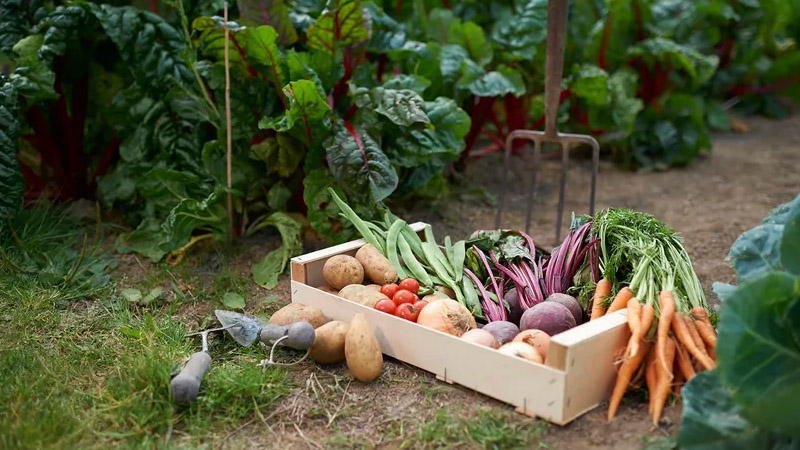
For simple recipes and food inspiration that pair perfectly with garden produce, check out MenzMag’s food and health section.
Stress relief and mental reset
A garden gives you a reason to step outside, unplug, and do something with your hands. Even 10 minutes of tending to plants can help reset your mood after a long day.
Savings that add up
A pack of seeds costs a couple of dollars and grows pounds of produce. Even small container gardens can cut your grocery bill, especially when growing high-value vegetables like peppers, herbs, and greens.
Choosing the Best Location for Your Garden
Before grabbing tools or seeds, you need a spot that gives your plants the best chance to thrive.
Look for sunlight
Most vegetables need at least six hours of direct sunlight every day. Tomatoes, peppers, cucumbers, squash, and many herbs all depend on strong light to produce well. If your yard has shaded patches, you can still grow leafy greens, radishes and herbs like mint that tolerate lower light.
Check your soil
Rich, well-draining soil matters. If you’re planting directly into the ground, test your soil by squeezing a small handful. If it sticks together loosely, you’re in good shape. If it clumps tightly like clay or falls apart like sand, you’ll want to mix in compost to improve the texture.
Use containers if space is tight
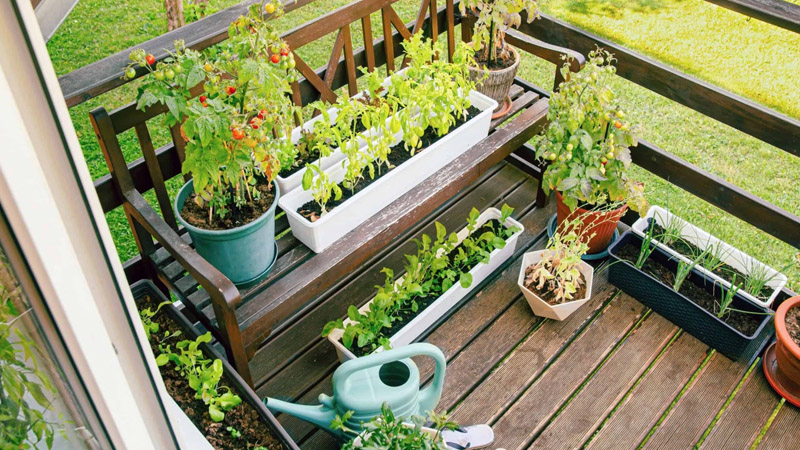
Many men living in apartments or townhouses think a vegetable garden at home is off the table. Not true. Tomatoes, peppers, beans, lettuce, and herbs all thrive in containers as long as they have enough room and sunlight. A balcony or patio can become a productive miniature garden.
Choosing What to Grow First
The key to enjoying your garden is starting with vegetables that are easy and rewarding. Once you gain confidence, you can branch out into more challenging varieties.
Beginner-friendly vegetables
- Tomatoes: Great for grilling, salads, sandwiches, and sauces.
- Peppers: Sweet peppers or hot varieties both do well in containers.
- Lettuce and greens: Grow fast and can be harvested again and again.
- Zucchini: Practically foolproof and produces heavily.
- Herbs: Basil, rosemary, thyme, and parsley are low-maintenance and boost almost any meal.
Consider what you actually eat
Your vegetable garden at home should match your lifestyle. Suppose you love Sunday grilling, plant peppers, onions, and cherry tomatoes. If you make smoothies, try spinach or kale.
Preparing Your Soil and Planting
Healthy vegetables start with healthy soil. Whether you’re growing in containers or in the ground, make sure the soil has enough nutrients to support growth.
Use compost or quality soil mixes
Adding compost improves drainage, boosts nutrients, and helps plants grow faster. If you’re using containers, choose a high-quality potting mix rather than garden soil, which is too dense.
Follow spacing instructions
Vegetables need room to grow. Crowding plants reduces airflow, increases disease risk and leads to smaller harvests. Seed packets and plant tags include spacing guidelines—trust them.
Water consistently
The biggest mistake new gardeners make is inconsistent watering. Most vegetables need steady moisture but not soaking conditions. Stick your finger into the soil. If the top inch is dry, it’s time to water.
Keeping Your Garden Running Smoothly
Once your garden is planted, maintenance becomes pretty straightforward. A few small habits will keep things productive through the season.
Mulch to save time
Mulch helps your soil retain moisture, reduces weeds, and keeps temperatures steady. It’s an easy way to cut down on maintenance without much effort.
Watch for pests
Aphids, slugs, and caterpillars show up in most gardens. You don’t need harsh chemicals to control them. Spraying plants with water, removing pests by hand, or using neem oil often solves the problem.
Harvest regularly
Many vegetables produce more the more you pick. Tomatoes, zucchinis, peppers, and greens all reward frequent harvesting.
Cooking With Your Homegrown Produce
Once your vegetable garden at home starts producing, the fun really begins. Homegrown ingredients elevate simple meals and make healthier eating feel effortless.
Staying Motivated Through the Season
Some weeks will be busy, and your garden may fall lower on your priority list. That’s normal. The key is building a routine that’s easy to maintain.
Keep tools handy
A small bucket with gloves, pruning shears, and your watering wand saves time and makes quick garden sessions easier.
Celebrate the wins
Your first tomato or handful of fresh herbs feels like a small victory. Those moments make tending a garden more rewarding.
Document your progress
Take pictures, jot down what grows well, and note what didn’t. This makes next year’s garden even better.
Final Thoughts on Starting a Vegetable Garden at Home
Building a vegetable garden at home isn’t about perfection. It’s about creating something that supports your health, reduces stress, and makes your meals taste better. Start small, keep things simple, and enjoy the process of watching something you planted grow into real, usable food.
READ NEXT
- How to Book the Perfect Golf Trip: A Step-by-Step Planning Guide
- Winter Wedding Suits for Men Bring Fabric, Fit and Comfort Into Focus
- Andrew Mountbatten-Windsor fights back with legal action as De Niro says he should apologise
- FBI Director Kash Patel gets engaged to longtime girlfriend
- Ken Urker dies at 34: Gypsy Rose Blanchard speaks out after partner’s death