
Vitamin D is one of those quiet nutrients that rarely gets the credit it deserves. You feel its absence long before you notice its presence. Most men in the United States are not getting enough of it, especially during fall and winter when sunlight is limited. Office work, indoor routines, and sunscreen use all reduce natural vitamin D production. Combine that with aging and lifestyle factors, and deficiency becomes surprisingly common.
If you have been feeling off but cannot quite pinpoint why, low vitamin D might be involved. This guide breaks down the most common signs of vitamin D deficiency, why they matter, and what you can do to support healthier levels. It is written with the everyday reader in mind while staying accurate and grounded in current research.
Why Vitamin D Matters for Men
Vitamin D plays a vital role in dozens of processes throughout the body. Some of its biggest responsibilities include:
- Supporting bone strength
- Regulating calcium absorption
- Maintaining immune health
- Influencing mood stability
- Supporting testosterone production
- Helping muscles function properly
When levels drop, these systems begin to show strain. Many men dismiss early symptoms as stress or aging, but understanding the early signals can help you take action before things get worse.
Read Also: 8 Early Warning Signs Your Body Is Low in Vitamin C Don’t Ignore!
Common Signs of Vitamin D Deficiency
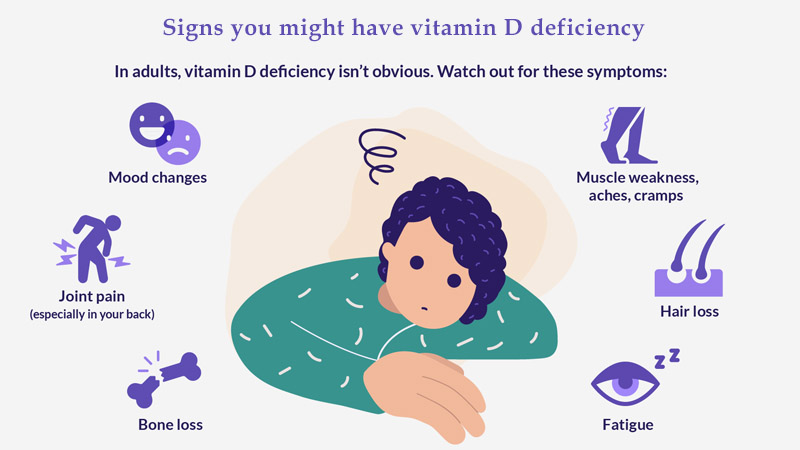
Persistent Fatigue Even After Rest
Feeling tired once in a while is normal. Feeling wiped out even after a full night of sleep is not. Low vitamin D is linked to reduced energy levels because the nutrient helps regulate how your mitochondria produce energy. When your cells have less fuel, your whole body slows down.
Men often chalk this up to workload or age, but ongoing fatigue deserves attention. If caffeine is the only thing getting you through the day, it may be worth checking your vitamin D levels.
Muscle Weakness and General Aches
Muscle discomfort is easy to ignore, especially after workouts or long workdays. But deficiency can cause a deeper, more persistent soreness that feels different from typical exercise fatigue. Vitamin D helps your muscles contract and recover, so low levels can make simple tasks feel harder than usual.
Many men describe this as a dull ache in their legs, back, or shoulders. If this discomfort has been creeping in slowly, a deficiency is a possible contributor.
Frequent Colds and Slow Recovery
Vitamin D is essential for a healthy immune system. Men with low levels often notice they get sick more often and stay sick longer. If you catch every seasonal bug or feel like your immune system lags behind, low vitamin D might be part of the problem.
Read Also: How to Meet and Exceed Your Vitamin C Intake with Unique Seafood and Supercharged Vegetables
This is especially common during winter when sun exposure drops. Your immune system relies heavily on vitamin D to activate T cells, which help fight off infections.
Mood Changes and Irritability
Many men do not realize that vitamin D affects brain health. Low levels are linked to mood swings, irritability, and increased feelings of stress. This is why seasonal depression becomes more common in darker months.
If you have been feeling unusually down or impatient and nothing significant has changed in your life, your vitamin D levels may be influencing your mental well-being. You are not imagining it. Hormones and neurotransmitters depend on this nutrient more than you might think.
Low Back Pain and Bone Discomfort
Vitamin D is essential for bone health because it allows your body to absorb calcium effectively. When levels fall, your bones become more vulnerable.
Some men notice a deep ache in their lower back or ribs. Others feel persistent stiffness. While this is not always caused by vitamin D deficiency, it is a well-documented symptom.
Hair Thinning or Slower Growth
Hair thinning is often blamed on genetics, but vitamin D also helps regulate the hair growth cycle. Low levels may contribute to thinning, shedding, or slower regrowth. While it is not always the primary cause, it can make existing hair issues more noticeable.
Trouble Sleeping
Your sleep cycle depends on hormones that are partly regulated by vitamin D. Men with low levels often report waking during the night or having trouble falling asleep. Poor sleep can then intensify other symptoms such as fatigue, low mood, and reduced focus.
Reduced Strength and Performance During Workouts
If your workouts have been feeling harder than usual, a deficiency may be affecting your muscle function. Vitamin D supports muscle fibers, balance, and reaction time. Men with low levels often see a gradual decline in strength without a clear cause.
This is especially common in men over 40, as natural vitamin D production slows with age.
What Increases the Risk of Vitamin D Deficiency
Limited Sun Exposure
Sitting in an office all day, wearing sunscreen, or living in northern states can reduce your natural vitamin D production.
Darker Skin Tone
Men with darker skin need more sun exposure to produce adequate vitamin D because melanin reduces UV absorption.
Higher Body Weight
Vitamin D is fat-soluble, which means the body stores it in fat tissue. People with higher body weight may require more vitamin D to reach optimal levels.
Age Over 40
The older you get, the less efficient your skin becomes at producing vitamin D.
Low Dietary Intake
Few foods contain natural vitamin D, so diet alone is rarely enough.
How Men Can Improve Vitamin D Levels
Get Sensible Sunlight
Short daily exposure without burning helps support natural production. Ten to 20 minutes can make a noticeable difference depending on your skin tone and location.
Increase Vitamin D Rich Foods
These include:
- Fatty fish like salmon or mackerel
- Egg yolks
- Fortified dairy or cereal
- Mushrooms exposed to UV light
Consider Supplements
Many men use supplements when sunlight and diet are not enough. Speak with a healthcare provider before adding high-dose vitamin D.
Read Also: Doctor Shares Simple Vitamin Trick to Reduce Cough and Cold Severity This Winter
Check Your Levels
A simple blood test can identify a deficiency. Your doctor can help determine the right plan for you.
Conclusion
Vitamin D plays a major role in your energy, strength, mood, and long-term wellness. If you are noticing ongoing fatigue, muscle aches, low mood, or frequent illness, your levels may be trying to tell you something. The good news is that deficiency is one of the easiest health issues to correct once you know it is happening.
For more ways to support your overall health, including cardiovascular wellness, explore related resources such as Menzmag’s guide to managing blood pressure. Knowledge and early action are powerful tools, and your body will thank you for paying attention to the signals it sends.
READ NEXT
- Winter Wedding Suits for Men Bring Fabric, Fit and Comfort Into Focus
- Andrew Mountbatten-Windsor fights back with legal action as De Niro says he should apologise
- FBI Director Kash Patel gets engaged to longtime girlfriend
- Ken Urker dies at 34: Gypsy Rose Blanchard speaks out after partner’s death
- Trump’s lawyers and DOJ join forces to fight judge’s sanctions over “collusive” IRS lawsuit