
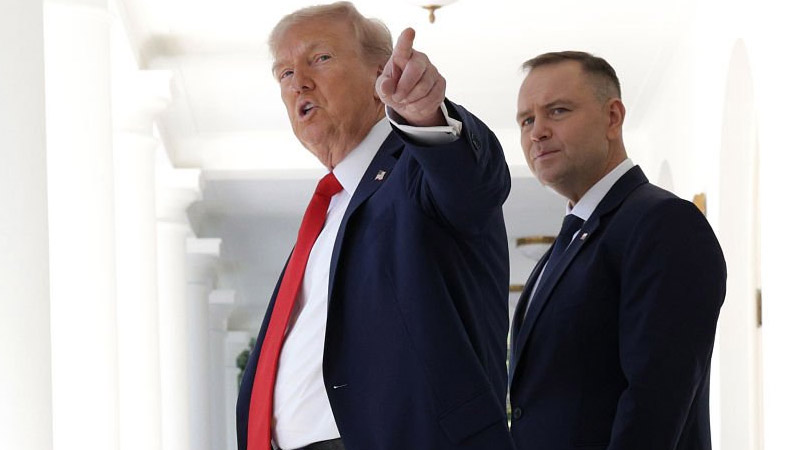
A leading election law expert issued a stark warning on Thursday after President Donald Trump hinted at new executive action following Democrats’ strong showing in Tuesday’s elections.
Democrats scored major wins across several battleground states, securing gubernatorial victories in New Jersey and Virginia and sweeping multiple statewide contests. Political analysts described the results as a clear rejection of the Trump administration’s agenda.
In a press briefing on Thursday, Trump and White House Press Secretary Karoline Leavitt told reporters that the administration is preparing an elections-related executive order in response to the outcomes. The announcement immediately drew concern from voting rights advocates, who fear it could be used to restrict access to the ballot.
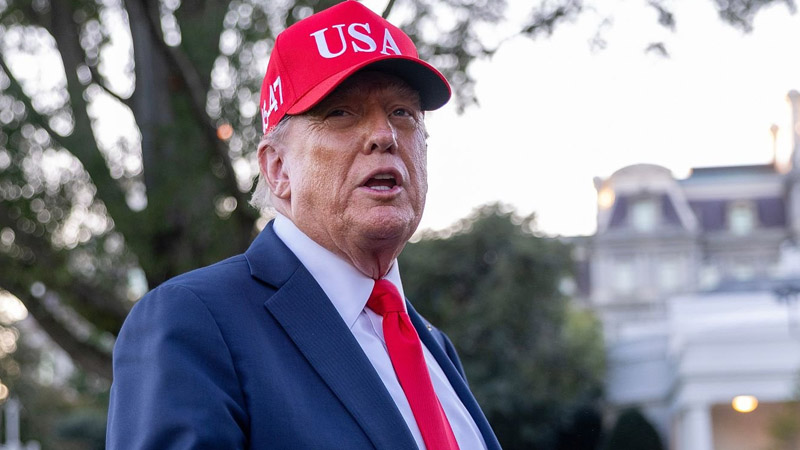
Marc Elias, a prominent voting rights attorney who has repeatedly challenged the Trump administration in court, spoke about the potential implications during a new episode of the Democracy Watch podcast hosted by progressive commentator Brian Tyler Cohen.
“Now, in some sense, we knew this because Donald Trump has been saying that this is the case, but it is chilling to hear from literally the official podium of the White House that their reaction to election day is the issuance of a new executive order,” Elias said.
He added that Trump’s comments following the election raise even deeper concerns. “And then, of course, the morning after the election, you know, you have Donald Trump talking about the filibuster, and what does he say? They need to get rid of the filibuster in his view so they can enact voter ID and other anti-voting measures.”
Elias argued that the administration’s response signals a strategy focused on undermining democratic participation rather than addressing the issues that cost them support. “So, this is a White House that understands that it lost big, that the American people are not with them, and so it’s going to have to double down and triple down on voter suppression and election subversion if it’s to have a chance in 2026,” he said.
The potential executive order has sparked widespread speculation among political observers, with many calling for transparency about its contents before any formal announcement. Critics say it could revive efforts to impose stricter voting requirements or limit mail-in ballots, measures that courts have previously found discriminatory.
While the White House has not released details, experts like Elias warn that the move could mark another escalation in ongoing efforts to challenge electoral integrity and voter access nationwide. As Democrats celebrate their victories, concerns are growing that the next political battle may be over the rules of democracy itself.