
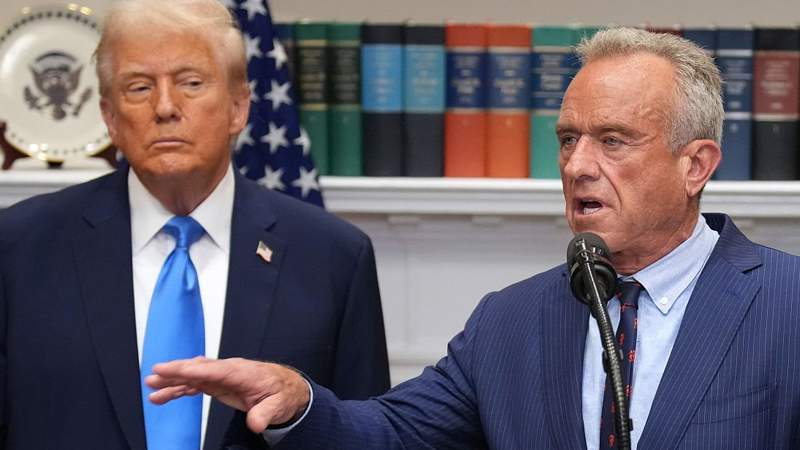
Robert F. Kennedy Jr. drew criticism Monday after delivering a strange attack on sexual assault survivors while standing alongside President Donald Trump to question the safety of vaccines and Tylenol. The Health Secretary invoked the #MeToo slogan “believe women” as part of his argument that mothers of autistic children are ignored when they claim vaccines caused harm.
“Some of our friends like to say we should believe all women, but some of these same people have been silencing and demonizing these mothers for three decades because research on the potential link between autism and vaccines has been actively suppressed in the past,” Kennedy said.
Kennedy, a longtime vaccine skeptic, has faced controversy since being appointed to lead the Health Department. Despite overwhelming scientific evidence disproving a connection between vaccines and autism, he and Trump again sought to push the theory.
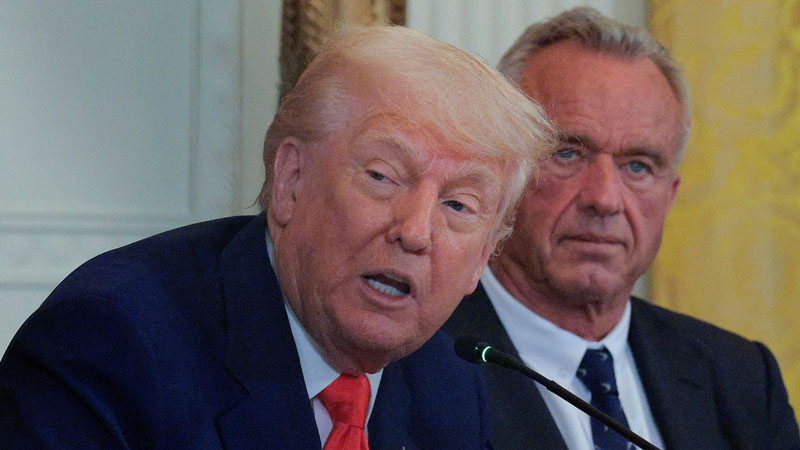
At the press conference, both men also warned the public about Tylenol. They claimed, without presenting new evidence, that use of the pain reliever during pregnancy “can be associated with a very increased risk of autism.”
“It will take time for an honest look at this topic by scientists, but I want to reassure the people in the autism community that we will be uncompromising and relentless in our search for answers,” Kennedy said.
His remarks linked the #MeToo phrase to his vaccine message, referencing a slogan critics argue was deliberately twisted. “Believe women” gained traction in 2017 as survivors spoke out during Harvey Weinstein’s downfall. But as Washington Post columnist Monica Hesse noted in 2020, it was reframed as “believe all women” to discredit the movement’s original meaning and to portray survivors as irrational for demanding respect.
Kennedy is not removed from the conversation around sexual misconduct. During his independent presidential campaign, Variety reported allegations from Eliza Cooney, a babysitter for the Kennedy family in the late 1990s. She alleged that Kennedy groped her twice and asked her to apply lotion to his back when she was 23 and he was 45.
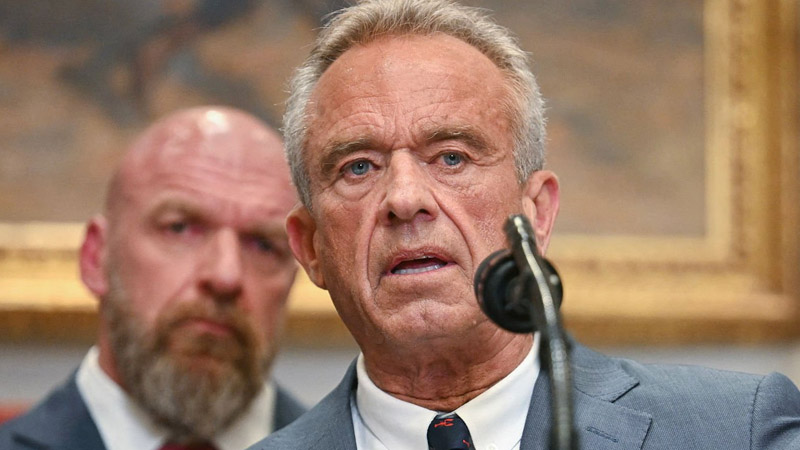
Kennedy denied the accusations during his confirmation hearing earlier this year, but had previously texted Cooney an apology in 2024 when the allegations surfaced. “I have no memory of this incident, but I apologize sincerely for anything I ever did that made you feel uncomfortable or anything I did or said that offended you or hurt your feelings,” Kennedy wrote in a message obtained by the Post.
“I never intended you any harm. If I hurt you, it was inadvertent. I feel bad for doing so.” Cooney dismissed the apology as hollow. “I’m not sure how somebody has a true apology for something that they don’t admit to recalling. I did not get a sense of remorse,” she said.