

For the first time in three decades, the American Academy of Pediatrics (AAP) has issued vaccine recommendations that diverge from the Centers for Disease Control and Prevention (CDC). The organization’s updated COVID-19 guidance was released on Tuesday, urging stronger protections for young children.
The AAP now strongly recommends COVID-19 vaccinations for children ages six months to two years. It also advises shots for children between the ages of two and 18 if parents choose to vaccinate them.
The move comes in stark contrast to the CDC, which in May removed COVID-19 vaccines from its list of recommended immunizations for healthy children and pregnant women. Instead, the CDC suggested that families consult physicians to determine whether children should receive the shots.
The change followed pressure from Health and Human Services Secretary Robert F. Kennedy Jr., a figure long criticized for his skepticism toward vaccines. “Last year the Biden administration urged healthy children to get yet another COVID shot despite the lack of any clinical data to support the repeat booster strategy in children,” Kennedy said in May.
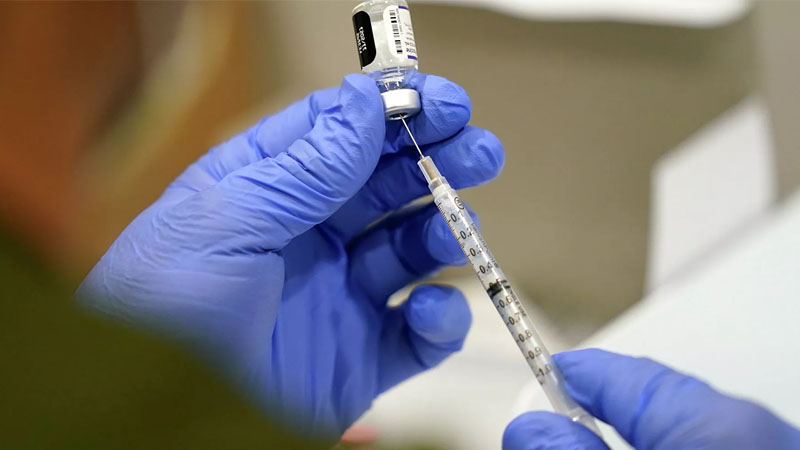
The CDC’s decision came just ahead of an advisory panel meeting to set fall vaccination guidelines, sparking backlash from medical groups. In July, the AAP and several other health organizations filed a lawsuit against the federal government, accusing Kennedy of bypassing the scientific review process and misleading the public.
The turmoil has also affected leadership within federal agencies. In March, Dr. Peter Marks, then the Food and Drug Administration’s vaccine chief, resigned in protest. In a letter to Acting FDA Commissioner Sara Brenner, Marks wrote, “It has become clear that truth and transparency are not desired by the Secretary, but rather he wishes subservient confirmation of his misinformation and lies.”
Marks’ resignation was followed by the appointment of Dr. Vinay Prasad, a prominent critic of the FDA’s COVID-19 immunization policies. His tenure quickly became mired in controversy over gene therapy. Prasad stepped down in July before returning to the role weeks later.

For pediatricians, the dispute underscores growing concern that inconsistent messaging could undermine parents’ trust in vaccines. The AAP has argued that children remain vulnerable to the virus, especially the youngest, and should have access to reliable protection.
The clash between the nation’s leading pediatric authority and the CDC highlights how COVID-19 vaccination remains a politically charged issue even years into the pandemic. Whether the diverging guidance will influence uptake among parents remains uncertain, but the AAP has made clear it intends to push back against what it views as harmful federal policy.