
President Trump has once again postponed a sharp tariff increase on Chinese imports, granting a 90-day extension just hours before the higher rates were set to take effect.
Tariffs as high as 145 percent were scheduled to begin at midnight Tuesday. Instead, the current rates will remain in place until November 10, following an Executive Order Trump signed late Monday. This is the second time this year the president has delayed such measures.
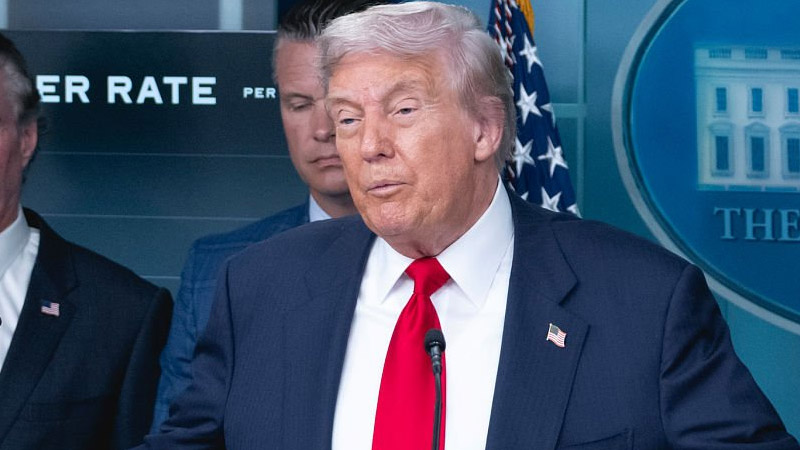
Speaking earlier in the day at the White House, Trump offered a vague signal that the extension was possible. “We’ve been dealing very nicely with China… they have tremendous tariffs that they’re paying to the United States of America,” he said. “We’ll see what happens. They’ve been dealing quite nicely. The relationship is very good with President Xi and me.”
The White House explained the move was intended “to facilitate ongoing and productive discussion with China about remedying trade imbalances, unfair trade practices, expanding market access for American exports, and aligning with the United States on national security and economic matters.”
Trump also posted on Truth Social that “all other elements of the Agreement will remain the same.” The president has been seeking fresh trade deals with China, including new soybean orders. On Sunday, he wrote, “China is worried about its shortage of soybeans.
Our great farmers produce the most robust soybeans. I hope China will quickly quadruple its soybean orders. This is also a way of substantially reducing China’s Trade Deficit with the USA. Rapid service will be provided. Thank you, President XI.”
China remains one of America’s largest trading partners. In 2024, the U.S. imported more than $438 billion worth of goods from China, ranging from electronics to toys and clothing.
In April, both nations agreed to an interim deal slashing tariffs: U.S. rates on Chinese goods dropped from 145 percent to 30 percent, while Chinese tariffs on U.S. products fell from 125 percent to 10 percent. The announcement at the time eased fears of a broader trade war.
Extending the lower tariffs into November will allow U.S. retailers to import Chinese goods for the holiday season without the looming cost hikes. The White House confirmed that the current 10-percent reciprocal tariff on U.S. exports to China will stay in place during the suspension period.
Trump’s latest trade moves come shortly after he rolled out reciprocal tariffs on dozens of U.S. trading partners last week. Critics point to these shifts as part of a broader pattern that earned Trump the “TACO Trump” nickname—an acronym used by detractors referencing his tendency to back away from tough stances at the last moment.
In April, he delayed tariffs on Mexico a day before his own deadline. In July, he reversed course on firing Federal Reserve Chair Jerome Powell. And despite promising “90 deals in 90 days,” several initiatives have been paused or watered down.
Asked about the nickname earlier this year, Trump bristled. “That’s a nasty question,” he told a reporter in May. “Don’t ever say what you said. That’s a nasty question… To me, that’s the nastiest question.”