
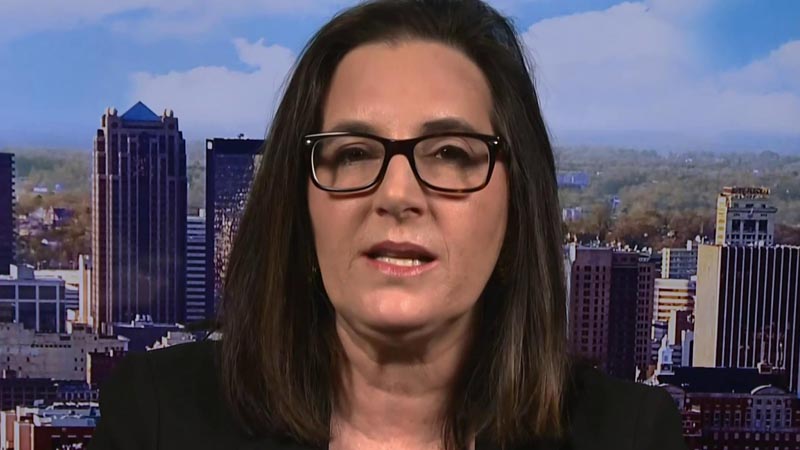
Former federal prosecutor Joyce Vance is warning that a newly signed Justice Department settlement could give Donald Trump, his family and his businesses extraordinary protection from future federal action.
Vance, a former U.S. attorney and legal analyst, described the agreement as a “pardon on steroids” in her Civil Discourse newsletter on Tuesday. She said the scope of the settlement raises urgent questions about what Trump may be trying to protect himself from.
The one-page settlement was signed quietly by acting Attorney General Todd Blanche on Monday. According to Vance, it shields Trump, members of his family, and his business entities from federal prosecution or civil action over crimes “presently known or unknown.”
Vance argued that the broad language of the agreement is so striking that it suggests Trump must see the protection as necessary.
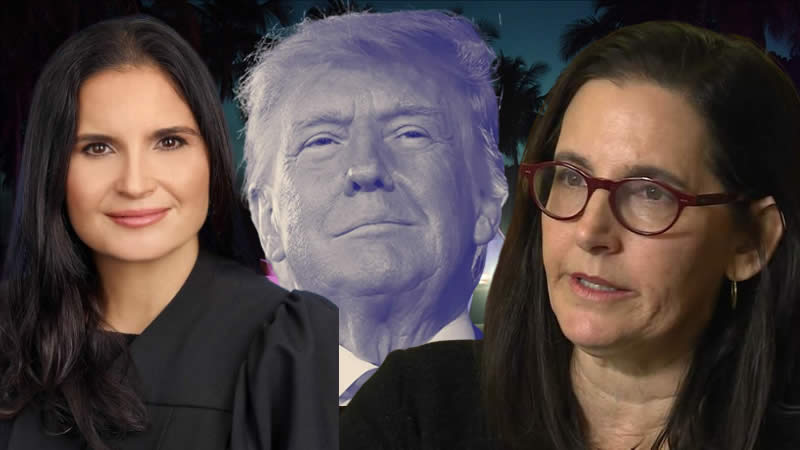
“The optics of this are so bad that it’s hard to believe Trump would expose himself to their consequences unless he really needed this deal,” Vance wrote in her Civil Discourse newsletter on Tuesday. “The protection it offers must be essential in some way we are as of yet unaware of.”
The Supreme Court’s 2024 ruling on presidential immunity already gives Trump protection from prosecution for official acts taken while in office. But Vance said that protection does not cover private conduct, including personal business dealings, tax issues, or private financial transactions.
Those areas, she argued, appear to be the focus of the new settlement.
A senior veteran FBI agent told Vance the effect of the settlement could be far-reaching, especially if it blocks multiple federal agencies from pursuing matters involving Trump-related businesses or ventures.
“Fraud by Don Jr at Kalshi? Out. Fraud at Trump Media & Technology Group? Out. Fraud at whatever crypto/drone/AI/investment endeavor? Out — no DOJ, no SEC, no IRS, no CFTC — no federal entity.”
Vance said the agreement could function as a workaround to a long-running legal question: whether a president can pardon himself. Many legal scholars have argued that the Constitution does not allow a president to use the pardon power for his own benefit.
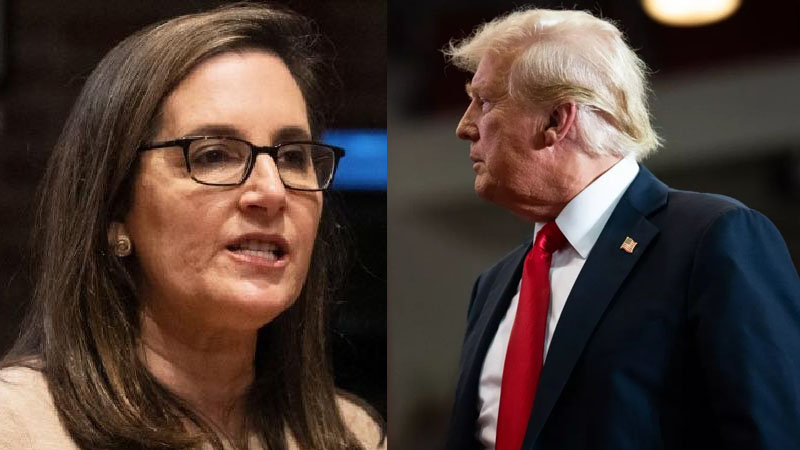
But Vance suggested Trump may have achieved a similar result through the Justice Department settlement rather than through a formal pardon.
“There is no hint in the document of what consequence Trump may be trying to avoid. But many legal commentators believe that while a president’s pardon power is broad, it’s not so broad that he can pardon himself,” the ex-federal prosecutor wrote. “Here, Trump seems to have found a way around that limitation, obtaining a pardon equivalent and then some for himself and for his family.”
The central question, Vance said, is not only why the Justice Department agreed to such sweeping language, but what possible exposure Trump believed required this level of protection.