
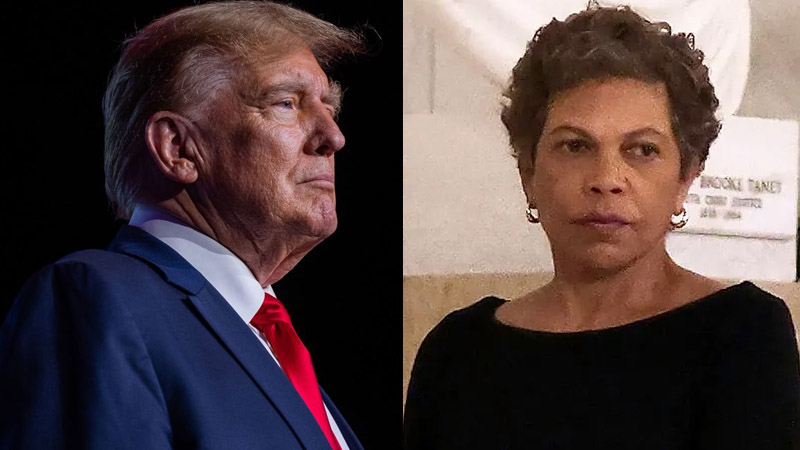
President Donald Trump suffered another legal setback Friday night after a federal judge temporarily blocked his controversial executive order targeting the law firm Jenner & Block. The executive order, signed by Trump earlier this year, revoked security clearances for attorneys at the prominent firm, barred them from entering government facilities, and prohibited them from receiving federal contracts.
Trump cited the firm’s prior employment of Andrew Weissmann—a lead prosecutor in former Special Counsel Robert Mueller’s investigation into Russian interference in the 2016 election—as the basis for the crackdown. Trump accused Jenner & Block of engaging in “partisan lawfare.”
More: “Like Ordering a Pizza”: Senator Slams Trump Officials for Casual Chat About Secret War Plans on Signal
More: “Reckless and Ruinous”: Trump Adviser Who Leaked War Plans May Be Ousted After Adding Journalist to Secret Chat
In response, Jenner & Block filed a lawsuit challenging the order, arguing it was an unconstitutional act of retaliation. The firm claimed the directive sought to punish attorneys for their affiliations and for representing clients in opposition to Trump’s policies.
According to the lawsuit, the order infringed on several constitutional protections, including the First Amendment right to free speech and advocacy. The firm also asserted the directive damaged its reputation, disrupted its operations, and threatened its ability to provide pro bono representation.
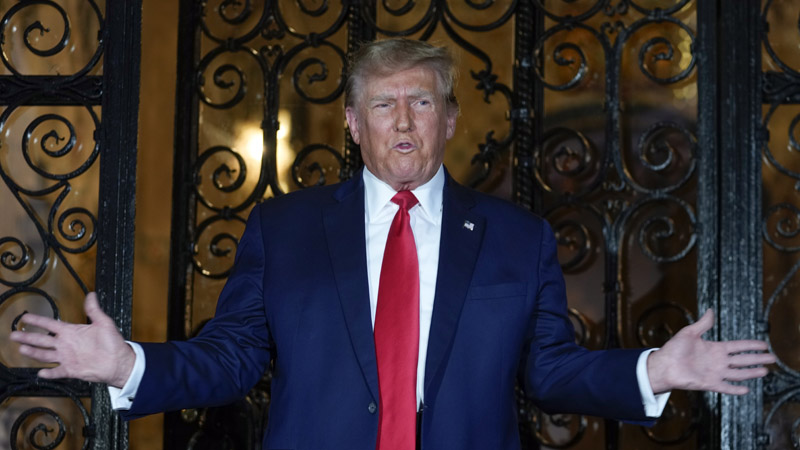
On Friday, Judge John Bates issued a ruling in favor of the firm’s request for a temporary block on the executive order, stating it likely violates the First, Fifth, and Sixth Amendments. Legal analyst Adam Klasfeld, an MSNBC contributor and Just Security fellow, highlighted the decision online: “Judge Bates calls Trump’s EO ‘disturbing’ and ‘troubling,’ especially the attack on pro bono practice.”
In his opinion, Judge Bates warned of broader implications for the legal system if the order were allowed to stand. “Our legal profession as a whole is watching and wondering whether courtroom activities in the best tradition of lawyering will cause the federal government to turn its unwanted attention to them next,” the judge wrote, as shared by Klasfeld.
More: Trump Ally Urges GOP to Threaten Judges Who Block MAGA Agenda: “Sword Over Their Heads”
More: Pete Hegseth Breaks Silence, Slams Journalist After Explosive Leak Report
The decision marks a significant development in what many legal observers see as a dangerous precedent—an attempt to use executive power to penalize attorneys for their previous associations or legal work.
While the order has only been temporarily blocked for now, the judge’s strong language signals serious constitutional concerns and suggests that a more permanent legal defeat for Trump could follow as the case continues.
READ NEXT:
- How to Book the Perfect Golf Trip: A Step-by-Step Planning Guide
- Winter Wedding Suits for Men Bring Fabric, Fit and Comfort Into Focus
- Andrew Mountbatten-Windsor fights back with legal action as De Niro says he should apologise
- FBI Director Kash Patel gets engaged to longtime girlfriend
- Ken Urker dies at 34: Gypsy Rose Blanchard speaks out after partner’s death