
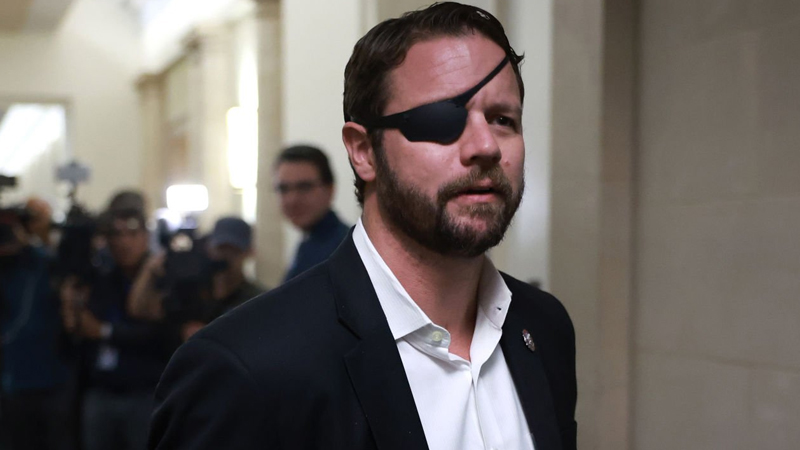
A close ally of President Donald Trump has pushed back on one of Trump’s key claims about his administration’s recent military operations, creating a rare public split within his circle of supporters.
Over the past several weeks, the Trump administration has reportedly carried out at least 15 strikes on suspected drug boats in international waters, resulting in about 65 deaths. Officials have argued that the operations fall within presidential authority and do not require congressional approval.
That stance has drawn questions from both parties about whether the actions comply with U.S. and international law. Trump has also suggested he may order attacks on military installations inside Venezuela, claiming that the country has been a source of many of the targeted drug boats.
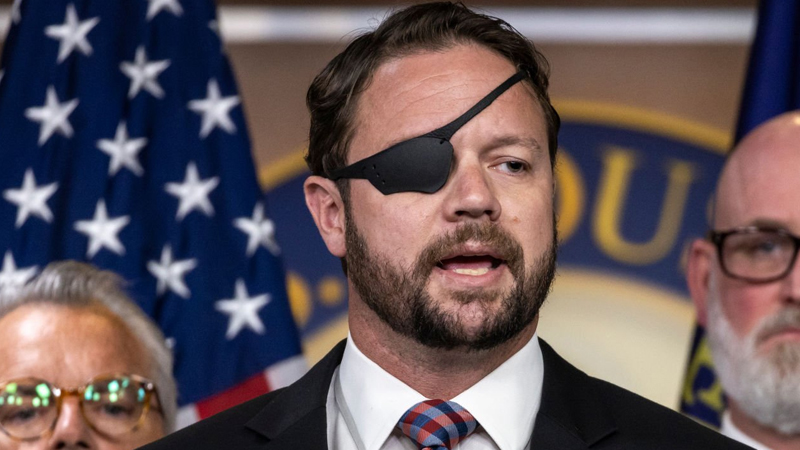
However, Representative Dan Crenshaw of Texas distanced himself from those remarks during an interview with CBS host Margaret Brennan on Sunday. “Talking hypotheticals about invading Venezuela, I mean, that’s not really what we’re talking about right now,” Crenshaw said, according to Politico.
While disputing Trump’s suggestion of a potential invasion, Crenshaw defended the recent maritime strikes as an effective show of strength. “Deterrence almost always works, especially when you are dealing with dictators like Maduro,” he said. “They only listen to one thing, which is power. And Venezuela has been largely left alone by American administrations. The Western Hemisphere has been left alone, and I think this president is taking it much more seriously.”
Crenshaw’s comments reflect a delicate balance among Trump’s allies, many of whom support his aggressive foreign policy approach but are cautious about escalating tensions with other nations. Analysts note that while Trump’s talk of striking Venezuela plays well with hardline supporters, it raises diplomatic and legal concerns.
Critics in Congress have urged greater oversight, warning that military actions conducted without approval set a dangerous precedent. International law experts have also questioned the justification for targeting drug boats, saying the administration has yet to present sufficient evidence linking them to narcotics trafficking or terrorism.
Despite the controversy, the operations have become a symbol of Trump’s hardline stance on drug trafficking and regional security. Crenshaw’s remarks suggest that even within Trump’s camp, there are limits to how far allies are willing to follow his most aggressive proposals.
As debate continues in Washington, the strikes have reignited discussions over executive power, military authorization, and the potential consequences of expanding U.S. military involvement in Latin America.