
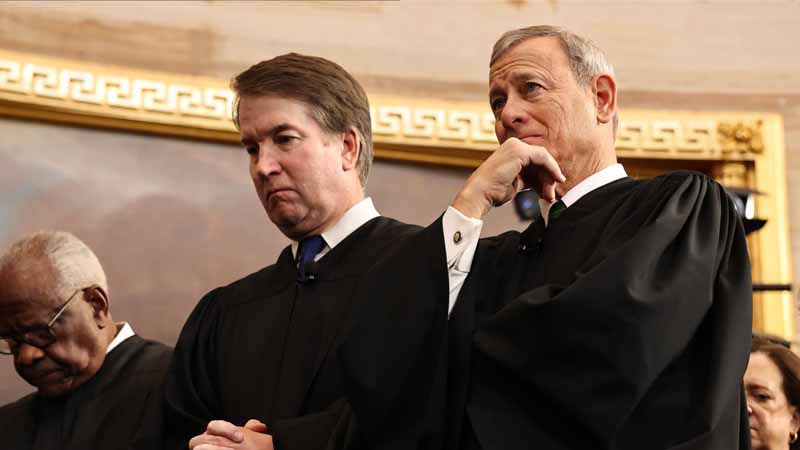
Justice Brett Kavanaugh addressed growing concerns over the Supreme Court’s use of the “shadow docket,” acknowledging internal disagreements and public criticism during a legal conference in Missouri on Thursday.
“There are different views among members of the court about when to do it and when not. We’re nine independent people,” Kavanaugh said, according to Politico, referring to the court’s practice of issuing brief, often unexplained rulings without full hearings. Despite those differences, he emphasized that “we all look out for each other” and the court remains collegial.
The “shadow docket” typically handles urgent matters—often without oral arguments or extensive written opinions. While critics say it lacks transparency, Kavanaugh argued that the court does deliberate seriously behind the scenes. “There can be a risk in writing the opinion of lock-in effect—of making a snap judgment and putting it in writing… that is not going to reflect the final view,” he told CNN. The brevity, he explained, is often intentional to avoid misleading the public into thinking the rulings are definitive.
One high-profile example is the Court’s one-paragraph decision allowing mass layoffs at the Department of Education under President Trump. That ruling, and others like it, lacked any detailed reasoning. According to Georgetown Law professor Steve Vladeck, as of July 10, the Court has stayed lower court decisions to let Trump administration policies continue 16 times in a row, according to NBC News.
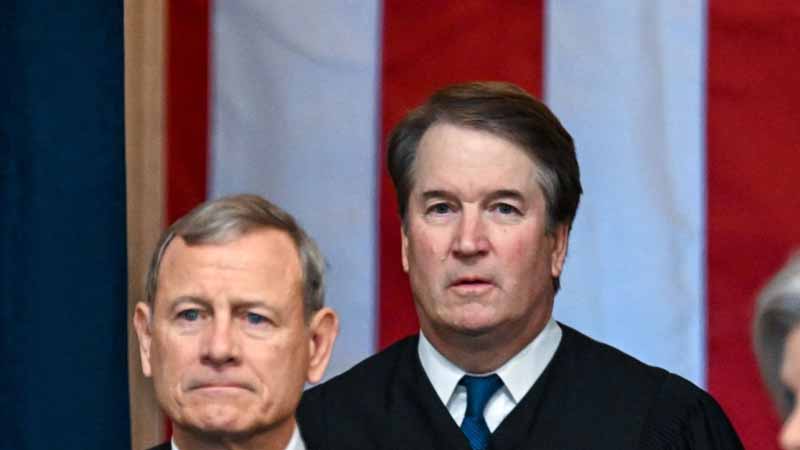
These rulings have allowed not only agency layoffs but also deportations and the ban on transgender individuals in the military to resume. Justice Elena Kagan, speaking separately in California, voiced her concern over the lack of clarity in such decisions. “Courts are supposed to explain things,” she said. “As we have done more and more on this emergency docket, there becomes a real responsibility… to explain things better.”
Kavanaugh also acknowledged mounting scrutiny from the public. “I’m aware of it. I definitely pay attention to it. I think you have to,” he said. “We’re public officials who serve the American people… It’s important for maintaining public confidence in the judiciary and the Supreme Court to know how the opinions are being conveyed and received and understood.”