

With rising temperatures and increasingly intense UV radiation, experts continue to stress the importance of sun protection to prevent long-term skin damage and serious health risks, including skin cancer. Yet, despite warnings, many still underestimate the sun’s impact—sometimes with painful consequences.
Haleigh Flanigan became an unexpected example of this when she posted a now-viral TikTok video after falling asleep in direct sunlight. Her message, both humorous and urgent, served as a cautionary tale to her followers. “Say a prayer for this sunburn, because I fell asleep today in the sun for two hours. And the UV was at a solid 10,” she told viewers, showing the painful results—her face and neck glowing an alarming shade of red.
Flanigan added with growing concern, “And at this point, I’m afraid I have sun poisoning.” The video quickly gained traction, garnering over 10 million views and prompting thousands of responses from worried users. Many viewers recognized the severity of her condition immediately, according to The Mirror US.
“Girl that’s sun poisoning,” one commenter warned. Another emphasized the long-term dangers: “It only takes 5 severe sunburns your entire life to DRASTICALLY increase the odds of skin cancer.” Others urged her to seek medical attention: “That is a life-changing sunburn. Schedule/keep up with regular skin checks.”
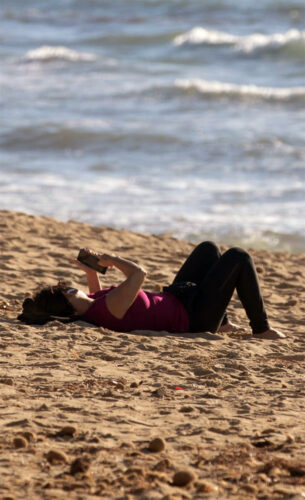
Sun poisoning, as defined by WebMD, is a severe form of sunburn that can resemble an allergic reaction and bring about far more than just red skin. Symptoms include blisters, swelling, rashes, intense pain, headaches, chills, fever, dizziness, nausea, and even dehydration. These symptoms occur as the body tries to respond to and repair extensive skin damage.
Experts recommend immediate action at the first sign of a burn: get out of the sun, hydrate, and soothe the skin with cool baths, aloe vera gel, or moisturizing lotions. Over-the-counter medications like ibuprofen can help ease the pain and inflammation.
The UK’s NHS also urges individuals to seek urgent medical attention if sunburn leads to blisters, swelling, high fever, fatigue, chills, or nausea—signs that could point to sun poisoning. For infants or young children with sunburn, immediate consultation with a doctor is advised.
Though Flanigan’s video struck a relatable tone, her experience offers a stark reminder of the risks tied to prolonged sun exposure. As UV levels climb each summer, health experts continue to advocate for sunscreen, shade, hydration, and protective clothing as essential tools for safely enjoying the sun.