
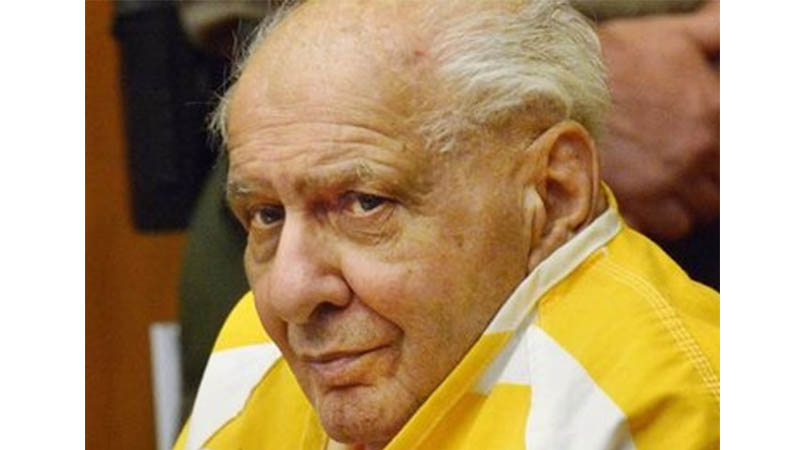
One of California’s most infamous killers is back in the spotlight thanks to a new true crime documentary that digs deeper into his disturbing past and reveals shocking new claims.
Joseph Naso, a former photographer convicted in 2013 for killing four women, is now being linked to far more victims. According to fellow death row inmate William Noguera, Naso privately confessed to killing 26 women during their time together at San Quentin State Prison.
The revelations are part of Oxygen’s upcoming series Death Row Confidential: Secrets of a Serial Killer, premiering September 13. “He’s guilty of more than anyone knows,” Noguera says in the preview. “He told me everything, and I wrote all of it down.”
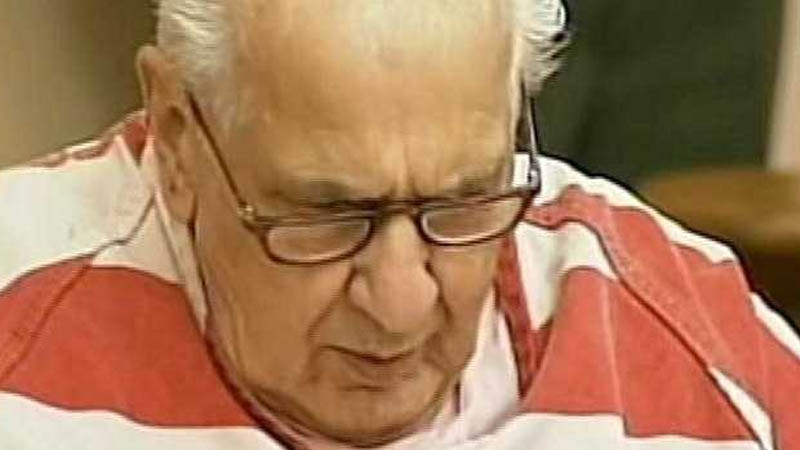
Naso’s double life shocked the country when he was first exposed. By day, he was a father of two, a school photographer, even a Little League coach. By night, he was a predator. Investigators found disturbing photos of dead women among his possessions and a so-called “hit list” of ten cryptic descriptions of female victims. Even after being sentenced to death, Naso insisted in interviews, including one with KGO, that he was innocent.
Noguera, who has been on death row himself since a 1983 murder conviction, spent years assigned to help elderly inmates through a disability program. That’s how he got close to Naso, eventually gaining his trust over more than a decade.
“When I told him, ‘Well, look, they got you because a list of 10,’ he started laughing,” Noguera recalled. “He said, ‘They got it all wrong. Yeah, I killed them women, yes. But those aren’t my top 10. Those are my top 10.’”
Noguera claims Naso’s real tally of 26 victims was symbolized in a chilling discovery at his home: a coin collection with 26 gold heads, each representing one of his victims. To preserve what he learned, Noguera compiled a 300-page dossier filled with notes, details and partial confessions. He later handed the files over to retired FBI task force investigator Ken Mains, who took the case on for free.
One story Naso allegedly wrote described luring a woman with a modeling ad before killing her and leaving her body under the Richmond-San Rafael Bridge. The details eerily matched the 1970s disappearance of Berkeley woman Lynn Ruth Connes, who vanished after answering a modeling ad. Her bicycle was later discovered chained up near the exact spot Naso described.
Working together, Noguera and Mains have started connecting Naso to several cold cases, including Connes’. For grieving families, these details may finally offer long-sought closure. “But now they know what really happened to her,” Noguera said. “And that has been my goal the whole time, is to give the victim’s family just that closure.”
Naso was nicknamed the “Alphabet Killer” after being convicted of murdering four women between 1977 and 1994 whose first and last names began with the same letter: Roxene Roggasch, 18, Carmen Colon, 22, Pamela Parsons, 38, and Tracy Tafoya, 31. He was also investigated in the 1970s “Alphabet Murders” of three girls in Rochester, New York, but DNA ruled him out.
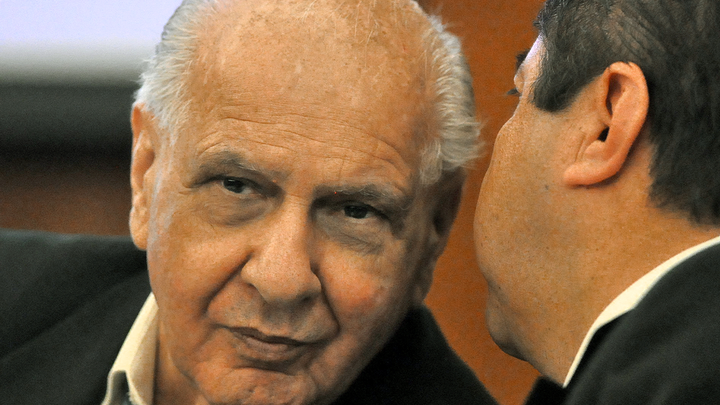
Investigators also discovered a diary describing more than 100 sexual assaults dating back to the 1950s, many involving underage girls. With these new confessions surfacing, the FBI and law enforcement across California are reviewing unsolved cases once again.
As Mains put it, “Our two minds, cop and convict, working together. I know that I can solve unsolved murders. Let’s get them.”
The new series suggests Naso’s crimes may reach far beyond what anyone imagined, leaving behind a trail of horror and families still waiting for justice.