
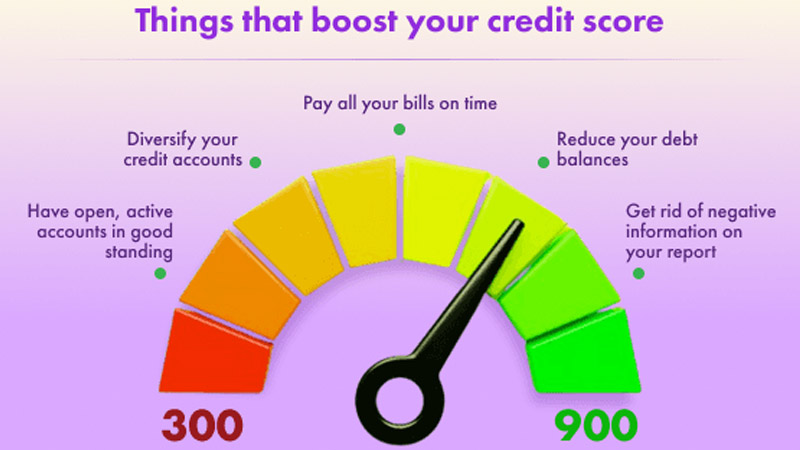
Your credit score is one of those numbers that quietly controls a huge part of your financial life. Whether you’re trying to get approved for a mortgage, refinance a car loan, or just want better interest rates on a credit card, your credit score matters more than you might think. The frustrating part? Many guys don’t realize they can actually improve their credit score quickly if they know what to do.
If you’re sitting there wondering whether it’s possible to turn your credit situation around in a reasonable timeframe, the answer is yes. It won’t happen overnight, but with the right strategy and consistent action, you can see meaningful improvements in weeks rather than years.
Understanding Your Credit Score
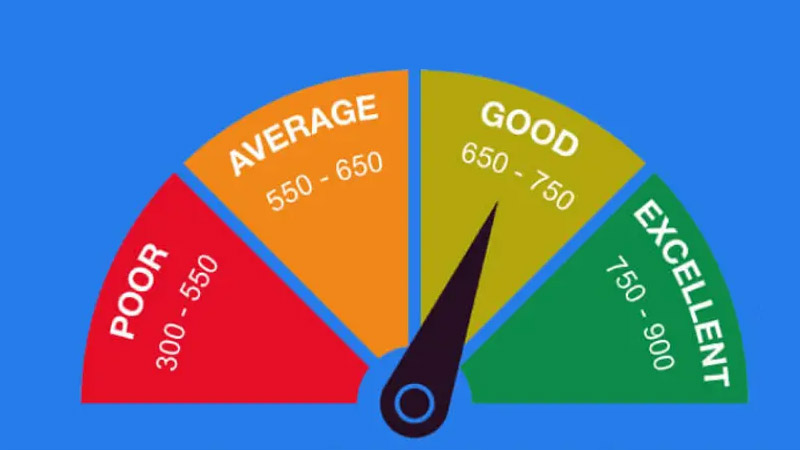
Before you can improve something, you need to understand how it works. Your credit score is a three-digit number that lenders use to decide whether they’ll give you money and what interest rate they’ll charge you. In the US, most lenders use FICO scores, which range from 300 to 850.
The way your score gets calculated breaks down like this:
- Payment history: 35% of your score. Paying bills on time is the most important factor.
- Credit utilization: 30% of your score. This is the amount of credit you’re using compared to the available credit.
- Length of credit history: 15% of your score. The longer your credit history, the better.
- New credit inquiries: 10% of your score. Each time you apply for credit, your score takes a small hit.
- Credit mix: 10% of your score. Having a variety of credit types can benefit your score.
Understanding this breakdown helps you focus your efforts where they’ll have the biggest impact.
Pay Your Bills on Time, Every Time
This might sound obvious, but it’s the foundation of everything. Your payment history is the biggest factor in your credit score, so missing payments or paying late absolutely tanks your score.
If you’ve been struggling with late payments, the good news is that the impact of late payments decreases over time. A late payment from six months ago hurts your score less than one from last month. This means if you can commit to paying on time going forward, you’ll start seeing improvements relatively quickly.
Set up automatic payments for at least the minimum amount due on each account. This removes the guesswork and ensures you never miss a deadline. If you can pay more than the minimum, even better, because that brings us to the next strategy.
Lower Your Credit Utilization Ratio
Your credit utilization ratio is the percentage of available credit you’re actually using. If you have a credit card with a $5,000 limit and you’re carrying a $3,000 balance, your utilization on that card is 60 percent.
Here’s what matters: lenders want to see you using less than 30 percent of your available credit. Ideally, you’re aiming for under 10 percent. This shows lenders that you can access credit but you’re responsible enough not to max everything out.
The fastest way to improve this metric is to pay down your existing balances. Even small reductions can move the needle on your score. If you can’t pay down balances quickly, another option is to ask your credit card companies for higher limits. This increases your available credit without increasing your debt, which lowers your utilization ratio.
Dispute Errors on Your Credit Report
Many people don’t realize that errors on their credit report are surprisingly common. You might have a late payment listed that you actually paid on time, or an account that doesn’t belong to you, or a collection account that’s been paid but still shows as active.
Check your credit report for free at annualcreditreport.com. You’re entitled to one free report from each of the three major credit bureaus every year. Look through these reports carefully for anything that seems wrong.
If you find errors, dispute them with the credit bureau. The process is straightforward and free. Removing inaccurate negative information from your report can provide an immediate boost to your score.
Become an Authorized User
If you know someone with excellent credit and a low utilization ratio, ask them to add you as an authorized user on one of their credit accounts. You don’t even need to use the card. The account history and positive payment record get added to your credit report, which can improve your score.
This strategy works particularly well if you’re starting from a low score or if you have limited credit history. Just make sure the person you’re asking actually has good credit and manages the account responsibly.
Stop Applying for New Credit
Every time you apply for a credit card or loan, the lender makes a hard inquiry into your credit report. These inquiries temporarily lower your score by a few points. More importantly, multiple inquiries in a short period make lenders think you’re desperate for credit, which raises red flags.
If you’re focused on improving your score quickly, avoid applying for new credit for at least a few months. Let those inquiries age and fall off your report.
Keep Old Accounts Open
Your credit history length matters. The longer your credit history, the better it looks to lenders. This means you should keep old credit accounts open even if you’re not using them actively.
Closing old accounts actually hurts your score because it reduces your available credit and shortens your average account age. Just keep them open with zero balances and occasional small purchases to keep them active.
Consider a Secured Credit Card
If you have very poor credit or no credit history, a secured credit card might be your best option. You deposit money into a savings account, and that becomes your credit limit. You use the card like a regular credit card, and your payments get reported to the credit bureaus.
After demonstrating responsible use for several months, many issuers will convert your secured card to a regular unsecured card and return your deposit.
Track Your Progress
Check your credit score regularly to see how your efforts are paying off. Many credit card companies now offer free credit score monitoring. You can also use free services that provide regular updates. Seeing your score improve is motivating and helps you stay committed to the process.
The Bottom Line
Improving your credit score quickly is absolutely possible when you focus on the factors that matter most. Pay your bills on time, lower your credit utilization, dispute errors, and avoid unnecessary credit inquiries. Most people see meaningful improvements within two to three months of implementing these strategies consistently.
Your credit score opens doors to better interest rates, lower insurance premiums, and improved financial opportunities. The effort you put in now pays dividends for years to come.
Advertisement Section
Interested in taking control of your finances? Check out [Financial Service Name] for personalized credit monitoring and improvement tools designed for busy professionals. Get started with a free consultation today.