
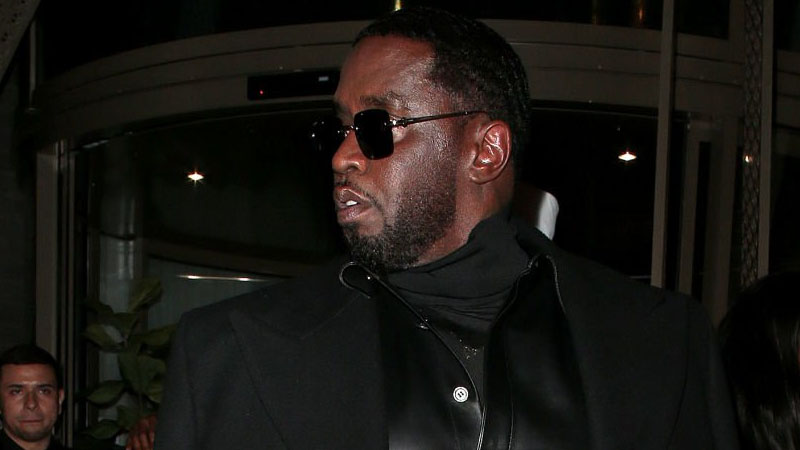
Sean “Diddy” Combs will be sentenced next week after a federal judge rejected his bid for acquittal and a new trial, leaving the former hip-hop mogul facing years behind bars. U.S. District Judge Arun Subramanian issued the ruling on September 30, writing in court documents obtained by People, “The government proved its case many times over.
That by itself might be enough to dispose of Combs’s challenge.” The sentencing is scheduled for October 3. Combs, once a towering figure in the music industry, was convicted in July of two charges related to prostitution. He was acquitted of more serious counts, including racketeering and sex trafficking, during the high-profile trial.
Among those urging a tough sentence is Combs’s ex-girlfriend, Casandra “Cassie” Ventura. In a letter to the court, Ventura asked the judge to weigh “the many lives that Sean Combs has upended with his abuse and control.” Her statement, submitted to the New York federal court, is one of several victim impact letters filed ahead of sentencing.

Federal prosecutors have asked Judge Subramanian to impose at least 11 years and three months in prison, arguing that the convictions reflect a sustained pattern of criminal behavior. Combs’s attorneys, however, insist the charges were improperly applied. They argue that the Mann Act, under which he was prosecuted, was never intended to cover consensual sexual activity between adults.
In a sentencing memorandum, they asked for a much lighter term: no more than 14 months, only slightly longer than the time Combs has already spent at Brooklyn’s Metropolitan Detention Center since his arrest in September 2024.
Combs has remained in custody since his conviction and is expected to make his first courtroom appearance since July at the sentencing hearing. His legal team maintains that prosecutors pursued him unfairly, while his critics argue that accountability has been long overdue for one of the industry’s most powerful figures.
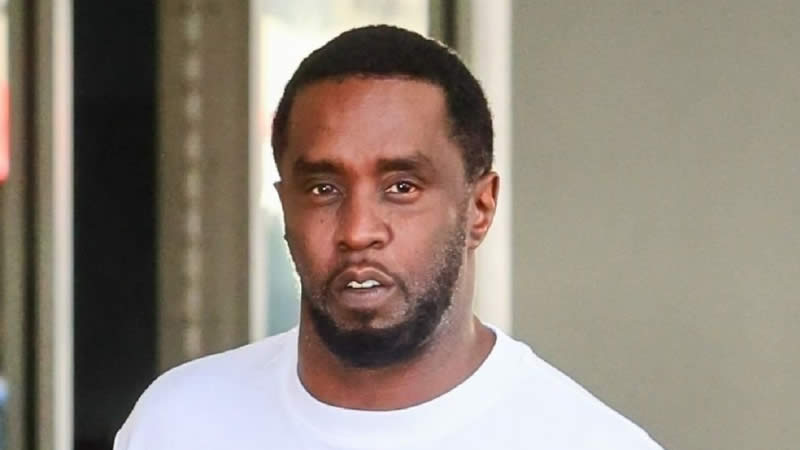
The case has drawn national attention not only for its celebrity defendant but also for the legal questions it raised about the use of century-old federal laws in modern prosecutions. For Combs, the outcome now rests in the hands of the court, which must weigh arguments from both sides before issuing a sentence that could reshape the final chapter of his career.