
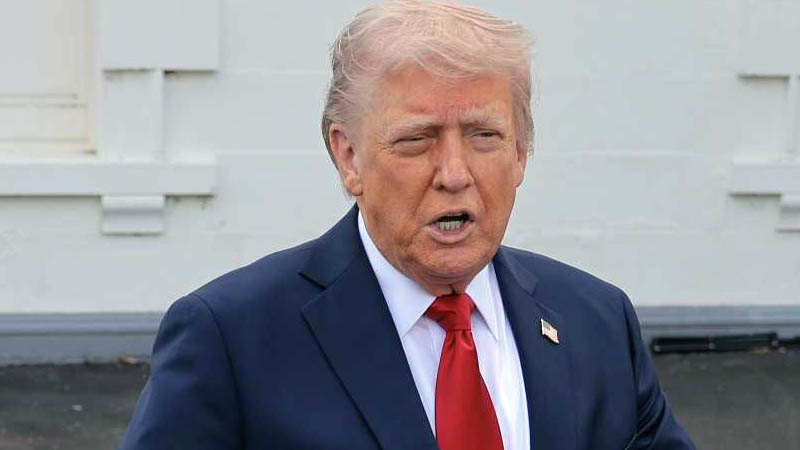
President Donald Trump unveiled a dramatic shift in his approach to the war in Ukraine on Monday, introducing two bold initiatives aimed at pressuring Russia to negotiate peace: a European-backed weapons deal for Kyiv and a 50-day deadline for Moscow before facing severe economic penalties.
The plan, announced during a meeting with NATO Secretary General Mark Rutte in the Oval Office, reflects Trump’s growing disillusionment with Russian President Vladimir Putin and marks a more direct U.S. role in the conflict, despite Trump’s past efforts to distance himself from it.
“I felt we had a deal about four times,” Trump said. “But it just kept going on and on.”
Under the new strategy, European nations would purchase American-made weapons and immediately transfer them to Ukraine. Trump, who campaigned on reducing U.S. involvement abroad, sees this arrangement as a way to support Ukraine while avoiding direct U.S. arms transfers. The deal also serves U.S. economic interests: Patriot missile systems alone cost approximately $1 billion each, according to CNN.
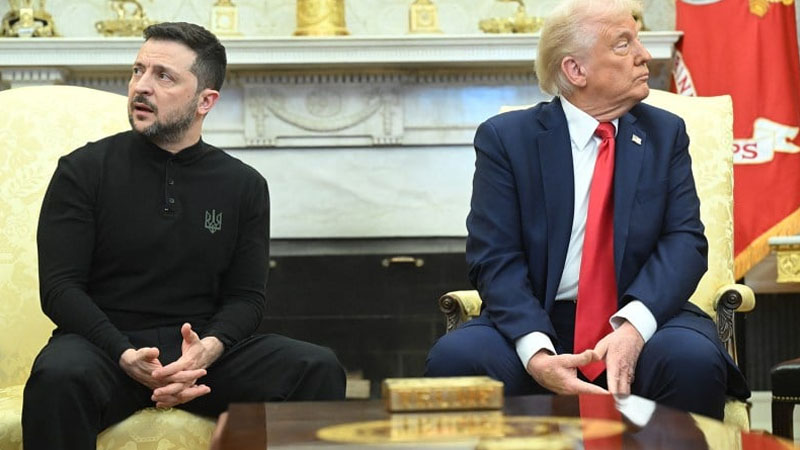
Trump coupled the arms plan with a stern warning to Russia. “We’re going to be doing very severe tariffs if we don’t have a deal in 50 days,” he said. “Tariffs at about 100%, you’d call them secondary tariffs.”
A White House official later clarified that Trump’s “secondary tariffs” would target countries—such as India and China—that continue purchasing Russian oil. “It’s about tariffs on countries like India and China… it really is going to dramatically impact the Russian economy,” said U.S. NATO Ambassador Matt Whitaker.
Trump’s frustration with Putin was evident throughout the announcement. Once openly admiring of the Russian leader, Trump now accuses him of dragging out the conflict. “My conversations with him are very pleasant, and then the missiles go off at night,” Trump said, adding, “He fooled Clinton, Bush, Obama, Biden—he didn’t fool me.”
The proposed weapons deal has been in the works since Trump’s election victory last year, as European leaders braced for a shift in U.S. support for Ukraine. NATO does not supply weapons directly but facilitates coordination among its members, allowing countries to move their own supplies quickly.
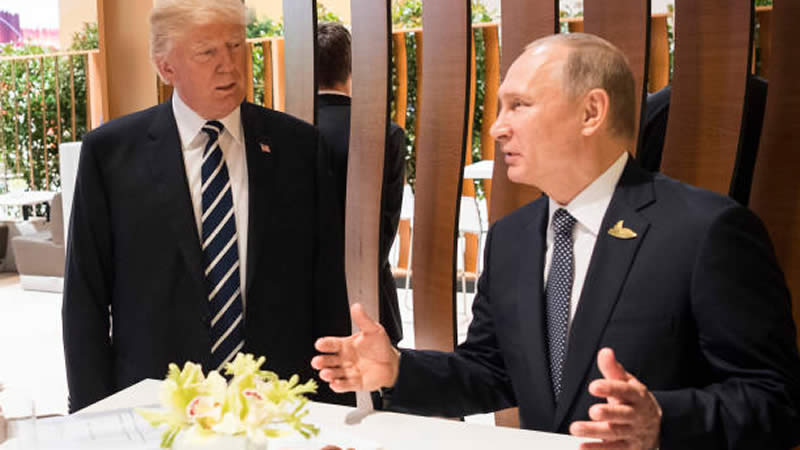
President Volodymyr Zelensky of Ukraine welcomed the developments, confirming a “very good conversation” with Trump and thanking allies for new Patriot missile systems. “Ukraine is absolutely ready for all honest and effective steps toward peace,” Zelensky wrote on X. “It is Russia that must be forced.”
As officials finalize logistics, Trump’s plan aims to both strengthen Ukraine’s defense and signal to Moscow that time for diplomacy is running out. Asked if he was “done” with Putin, Trump replied, “I’m disappointed in him, but I’m not done with him.”