
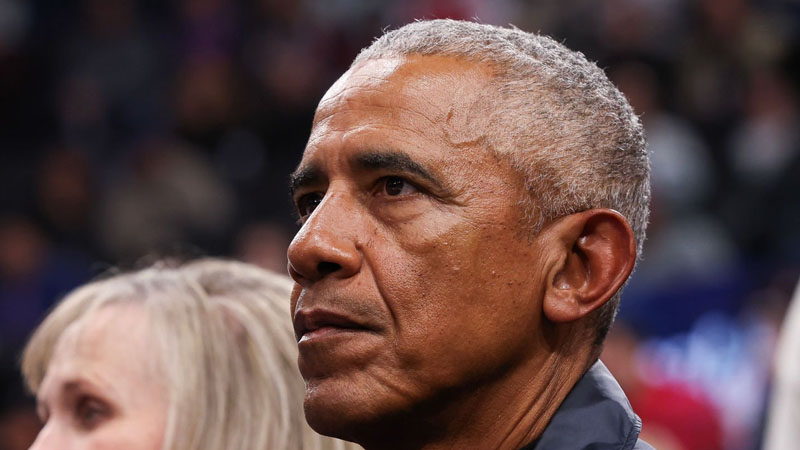
In a pointed and passionate speech delivered to Democratic donors, former President Barack Obama issued a clear message to his party: toughen up, stop waiting for a political savior, and get to work. Speaking at a fundraiser organized by the Democratic National Committee, Obama didn’t hold back in calling on Democrats to stop “navel-gazing” and instead focus on the urgent task of electing strong leaders to office.
Obama’s remarks, while directed at donors, carried a broader warning to Democratic voters and activists who may feel paralyzed by political setbacks or disillusionment. “Stop looking for the quick fix, stop looking for the Messiah,” Obama said, urging attendees to rally behind the “great candidates” currently running in critical races.
David Axelrod, Obama’s former senior advisor and longtime strategist, appeared on CNN Monday afternoon to offer insight into the former president’s comments and their timing. “What do you make of the former president doing this in this way and doing it now?” asked CNN anchor Kasie Hunt.
“Well, it’s telling that he did it at a fundraiser for the Democratic National Committee that was set up to support candidates, particularly the two gubernatorial candidates in New Jersey and Virginia—Mikie Sherrill and Spanberger in Virginia,” Axelrod responded.
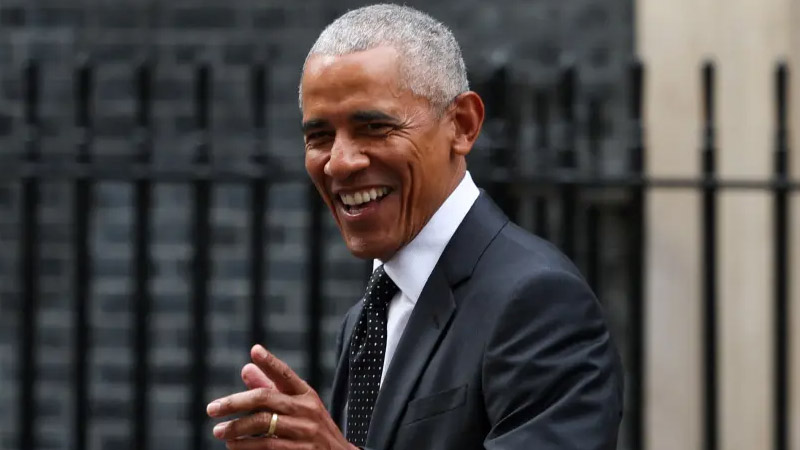
He emphasized that Obama’s message was not just philosophical but tactical. “Part of what he’s saying is, the way that you resist is by electing people who are going to pursue a different policy. And, you know, so ‘toughen up’ and ‘stop navel-gazing’ means focus on the task at hand,” Axelrod explained.
Axelrod also highlighted the deeper significance of Obama’s remarks, suggesting they offer insight into why the former president has remained somewhat selective in his public appearances. “There were a couple of lines in there,” he said. “He said, stop looking for the quick fix, stop looking for the Messiah. You have great candidates running races right now. Support these candidates.”
He further noted that Obama believes the Democratic Party must invest in and empower new leadership, rather than look backward. “There are always new leaders, and you need to lift up these new leaders,” Axelrod said. “And it is not appropriate or wise to look back and say, well, you come back and do it again.”
“In a sense, that was, to me, an explanation for why he’s picked his shots,” Axelrod concluded, “because he believes that there are voices within the Democratic Party who can step up and lead.”