
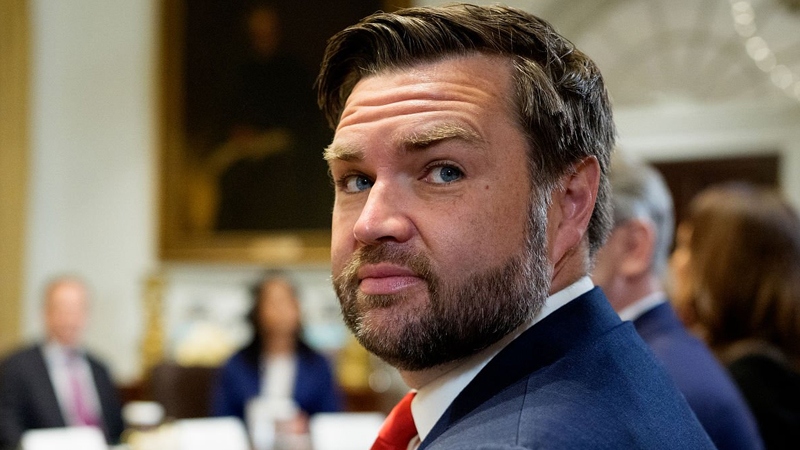
Secret Service agents assigned to protect Vice President J.D. Vance and his family are reportedly frustrated by a pattern of costly, last-minute travel requests, according to reporting by MS NOW’s Carol Leonnig and Vaughn Hillyard.
The concerns are notable because Secret Service personnel are generally known for maintaining strict discretion about the public officials they protect. During my years around Capitol Hill, I became friends with several agents and occasionally asked them about their work and the personalities they encountered.
They rarely shared details. Even in informal settings, they remained guarded and professional. Their reluctance to speak openly made the rare criticism stand out. On one occasion, several agents expressed strong dislike for a prominent individual, though I will not identify that person here.
That experience provides important context for the latest reporting. If agents are now describing themselves as “fed up” with the vice president’s travel demands, the frustration may be unusually serious.
The incident that reportedly intensified those concerns occurred last Thursday, when agents were mobilized to accompany a Marine Corps helicopter crew that was expected to fly Vance’s young son across the Washington area for a golf lesson at Joint Base Andrews.
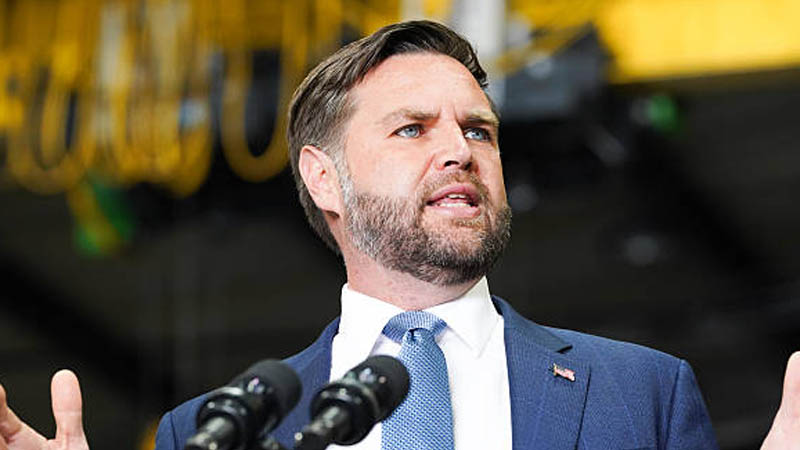
The flight was ultimately canceled because of thunderstorms. However, preparations had already been made for the trip. According to Defense Department estimates cited in the report, operating Marine Two can cost taxpayers between $16,000 and $24,600 per hour. Children of previous vice presidents were typically transported to activities by secure government vehicles rather than military helicopters.
The reported golf lesson was not presented as an isolated incident. The Vance family has also reportedly used government helicopters on short notice while house-hunting in Middleburg, Virginia.
Such travel requires coordination among Secret Service agents, military personnel, and flight crews. Sudden changes can disrupt schedules, increase costs and create additional logistical demands for the teams responsible for protecting the vice president and his family.
The vice president and his family are entitled to extensive security, and transportation decisions are often influenced by safety considerations that are not made public. However, the reported complaints focus on whether certain requests are necessary and whether they give agents enough time to prepare.
Neither the original account nor the available reporting indicates that Vance violated any law. The issue is instead one of judgment, cost and the use of government resources.
For an agency whose personnel rarely discuss the officials they protect, reports of open frustration are significant. They suggest that the concern may extend beyond routine workplace inconvenience and reflect broader unease about the frequency and nature of the Vance family’s travel requests.