
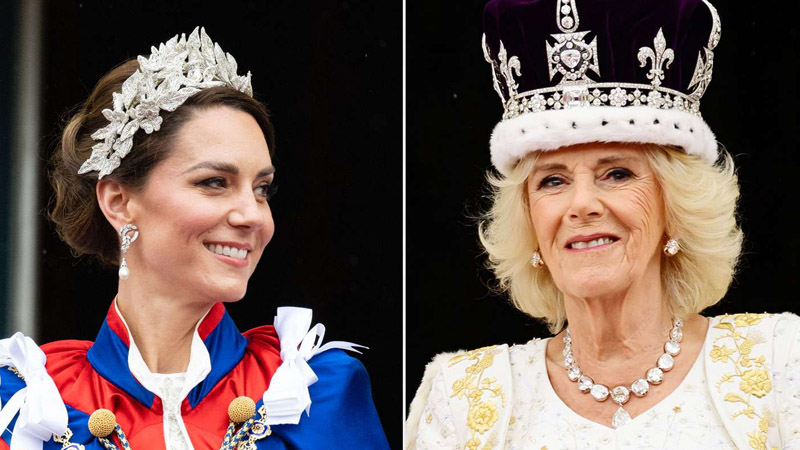
For years, there has been quiet speculation about tension between Queen Camilla and Kate Middleton, fueled by the perception that both women occupy powerful, highly visible positions within the royal family. While Camilla holds the formal title of Queen Consort, the Princess of Wales often attracts intense public attention and admiration, leading some observers to frame their relationship as a subtle rivalry for influence and prominence.
Yet behind the headlines, royal commentator Katie Nicholl suggests the reality is more nuanced. According to her, while differences may exist, Camilla and Kate also share common ground and, increasingly, a sense of partnership rooted in duty, resilience, and shared experience.
Nicholl recently praised Camilla for the way she has stepped up over the past two years, particularly during King Charles’s cancer treatment. During periods when the monarch reduced his public schedule, Camilla was widely seen taking on additional responsibilities, representing the Crown at key engagements and ensuring continuity amid uncertainty. Her steady presence, Nicholl argues, has strengthened her position within the institution and earned her greater respect.
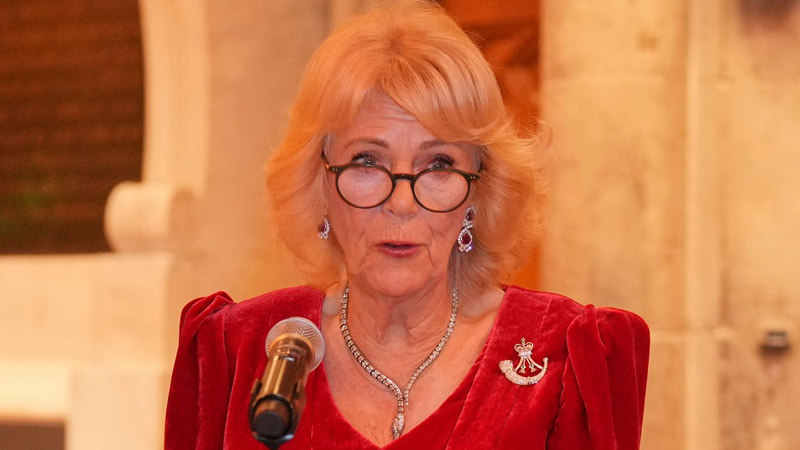
At the same time, Kate has been navigating her own health journey while remaining a central pillar of the monarchy’s future. Despite stepping back at points, her role as Princess of Wales remains deeply significant. Even while facing personal challenges, she continues to be seen as someone who embodies the values and image of the modern royal family.
Nicholl believes this parallel experience has created more common ground than conflict between the two women. Speaking to OK!, she said, “Camilla wields a quiet power and influence behind the throne. As the old saying goes, ‘behind every strong man is an even stronger woman,’ and she sums that up perfectly.” The comment frames Camilla not as a rival to Kate, but as a stabilizing force within the family structure.
The commentator also highlighted the causes Camilla has chosen to champion, noting that they reflect a conscious effort to modernize the monarchy’s image. She pointed out that Camilla has “deliberately chose gritty areas like domestic violence to focus her work on, and that’s indicative of the institution reflecting a changing world”. Her focus on uncomfortable but urgent issues has helped shape her public identity as more than a ceremonial figure.
Kate, in her own way, has taken a similar approach. Rather than limiting herself to traditional royal engagements, she has invested deeply in early childhood development, founding The Royal Foundation Centre for Early Childhood in 2021. She has repeatedly described this initiative as her “life’s work”, signaling a long-term commitment to a cause she believes can transform society.
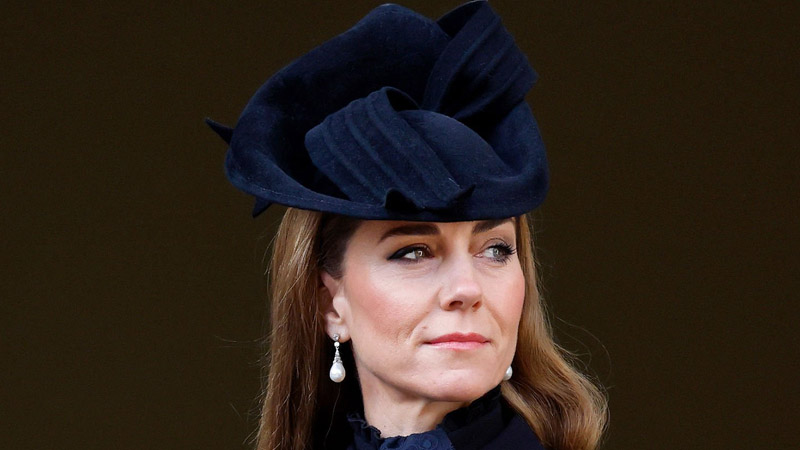
Nicholl also claims that beyond shared values, there is now a practical working relationship between the two. She suggests Camilla and Kate have established a “solid partnership,” often presenting a united front at major events such as state banquets, remembrance services, and national celebrations like Trooping the Colour.
While rumors of underlying grievances may persist, the broader picture appears more cooperative than competitive. Both women seem keenly aware of the responsibilities they carry and the importance of stability within the royal family. In an institution built on tradition but under constant public scrutiny, their evolving alliance may be less about rivalry and more about survival, service, and shared purpose.